


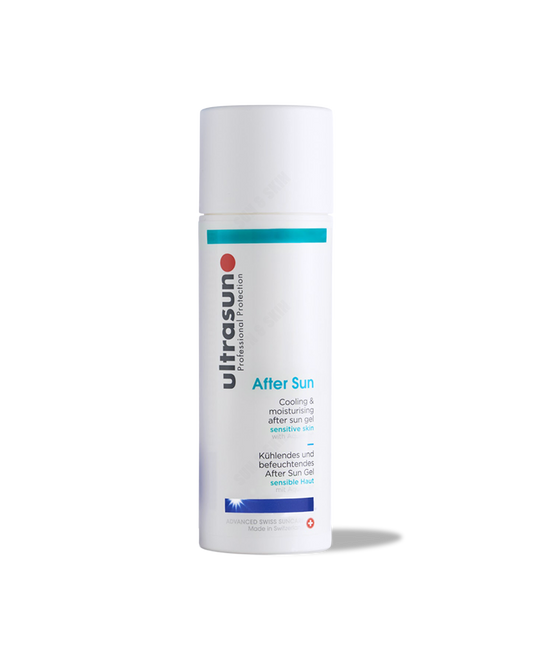
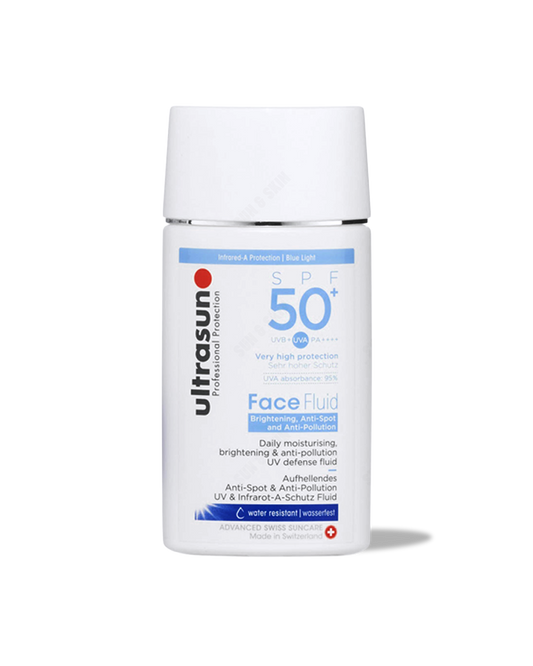
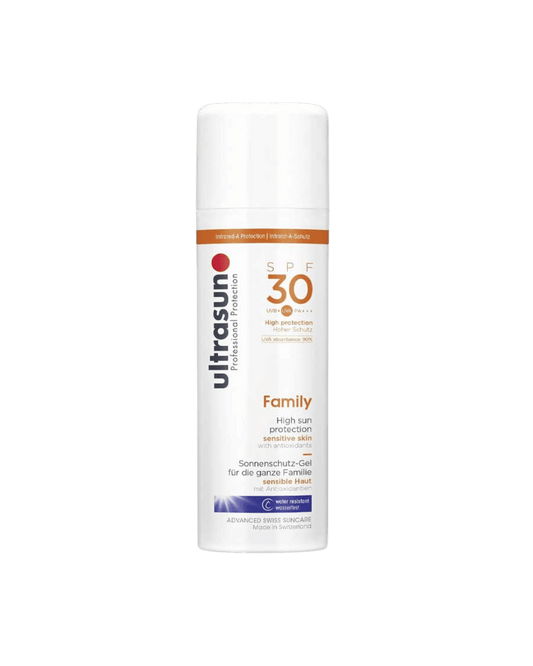
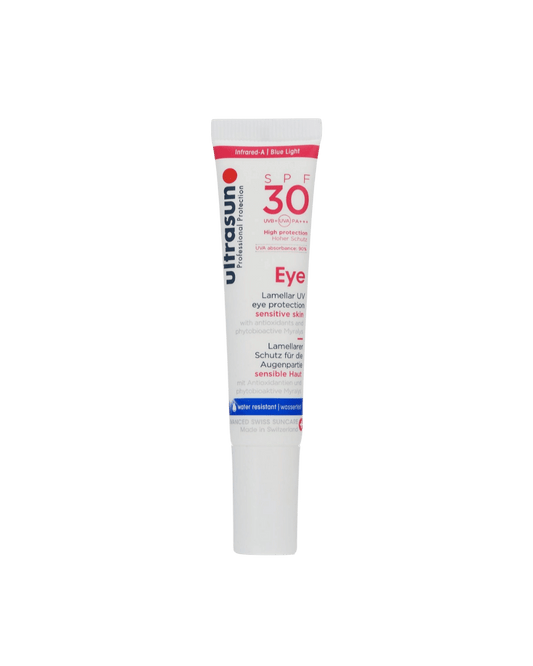









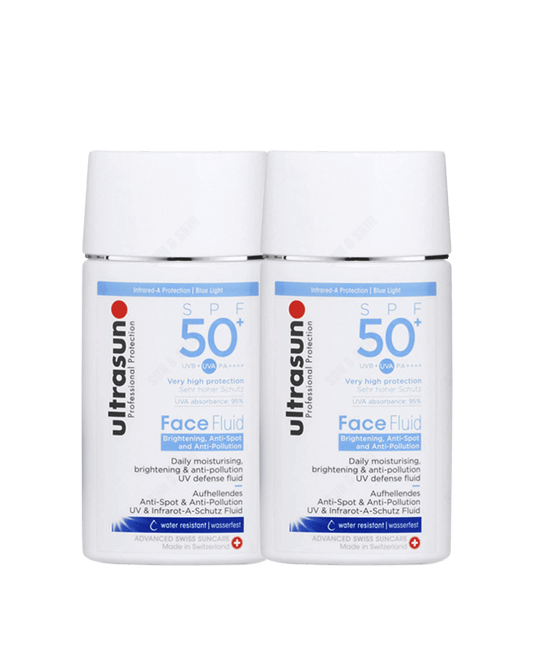

The Ultimate UK Sun Protection Guide: SPF, UV Index & More
How Do You Protect Your Skin From the Sun in the UK?
You don't need to be on a tropical beach to need sun protection.
In the UK, UV levels can be strong enough to damage your skin from mid-March to mid-October, even when it's cool or cloudy. The easiest way to stay protected is to combine shade, protective clothing and sunscreen.
Here's your quick guide to staying covered.

☀️ 1. Check the UV Index
Don't rely on temperature or sunshine to tell you how strong the sun is.
The UV Index measures the strength of UV radiation. When it reaches 3 or above, it's time to think about protecting your skin.
Quick guide:
- UV 1–2: Low
- UV 3–7: Moderate to high — protect your skin
- UV 8+: Very high — take extra care
👉 Check the UV Index on the Met Office
🧴 2. Choose the Right Sunscreen
Look for:
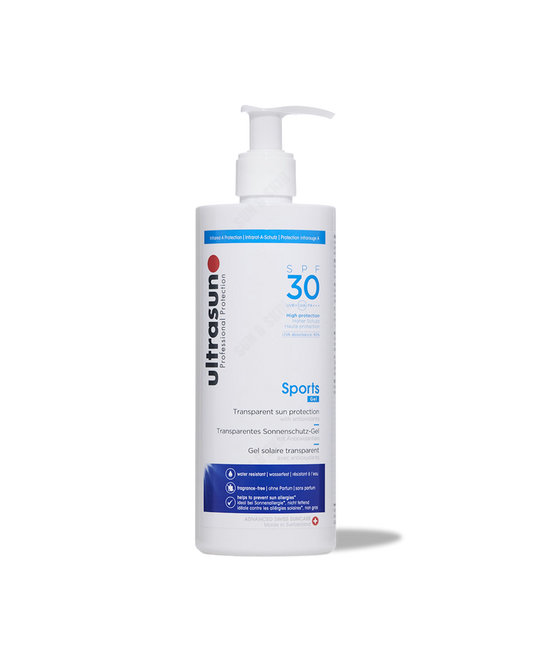
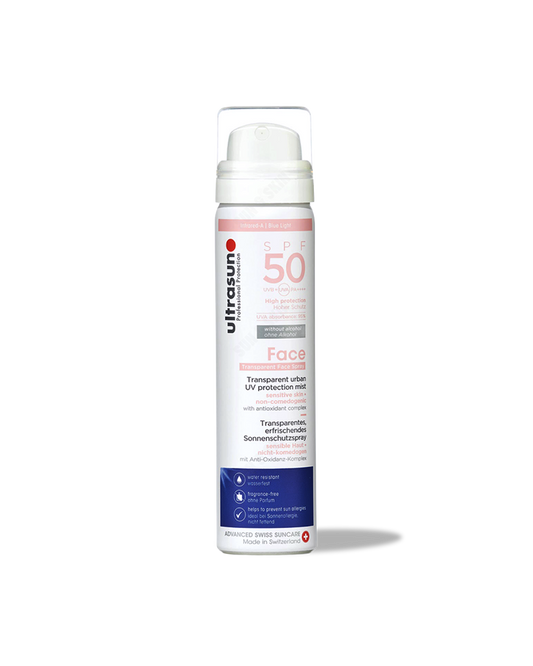
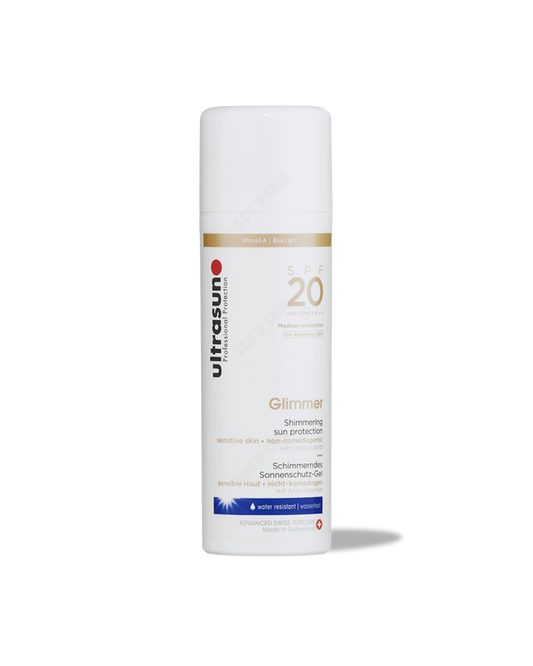
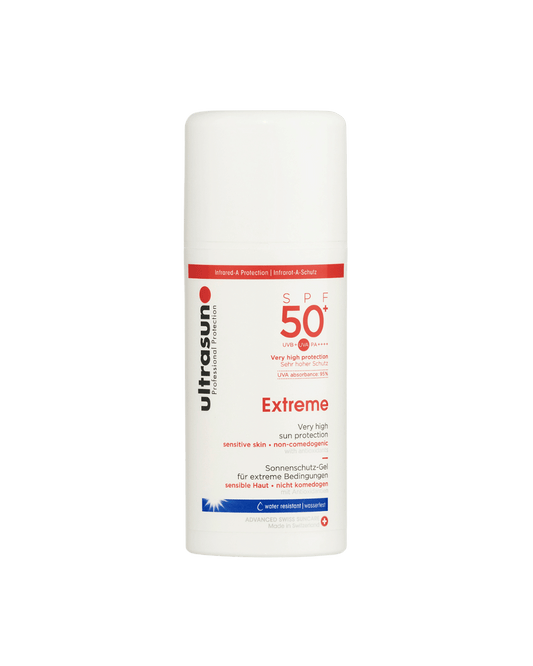
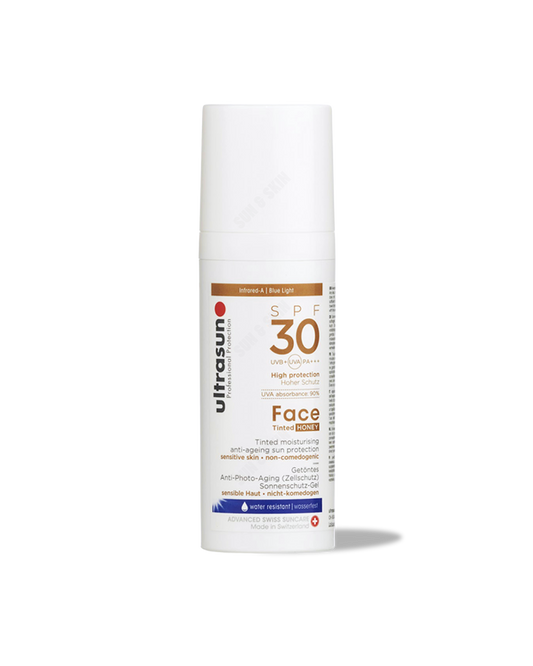
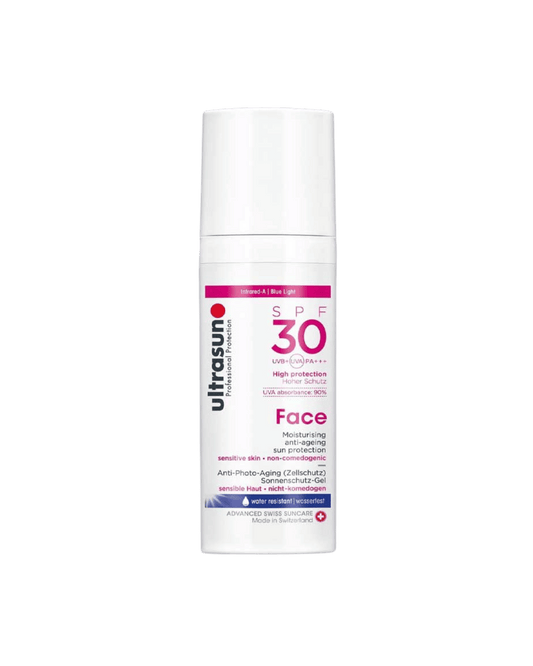
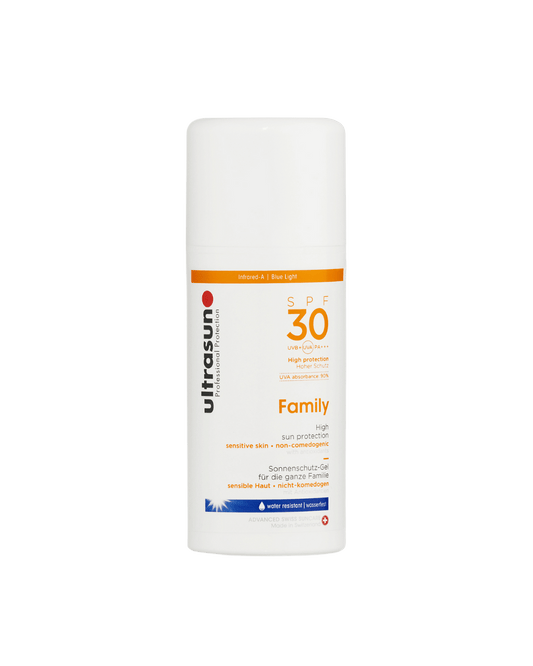
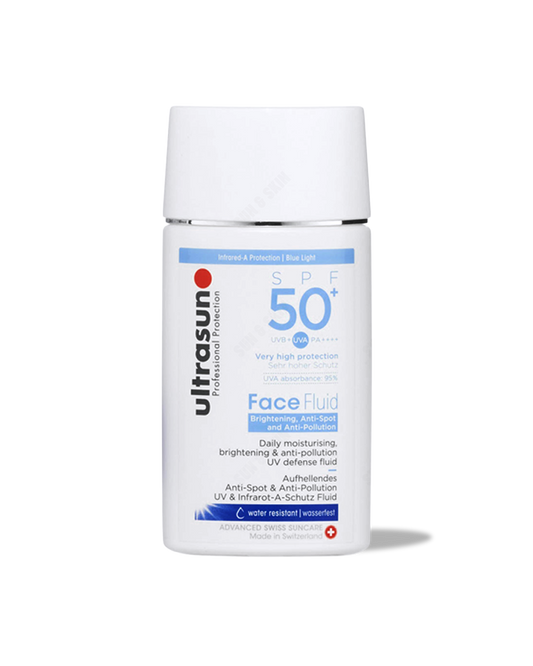
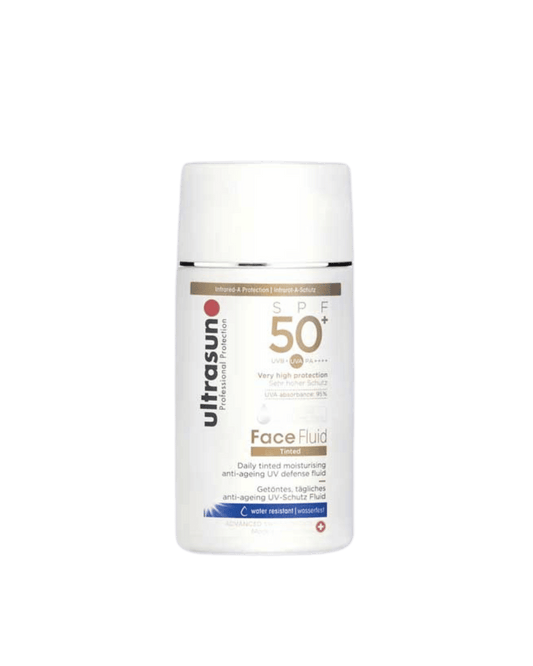
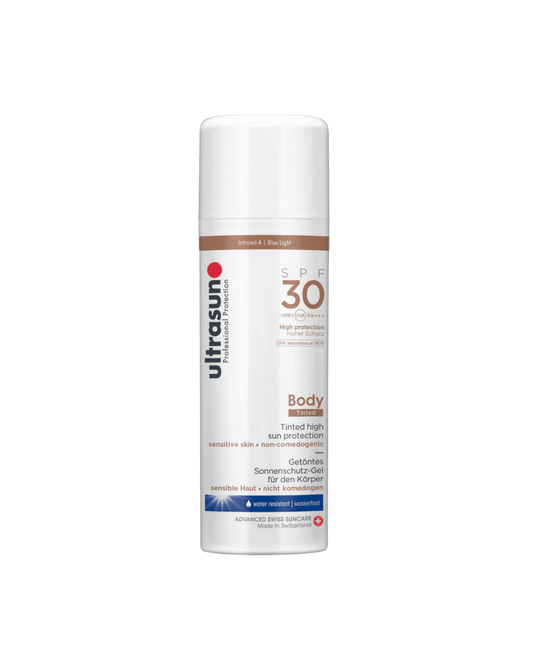
SPF 30 or higher for UVB protection
4- or 5-star UVA protection or the UVA circle
A formula that suits your skin and lifestyle
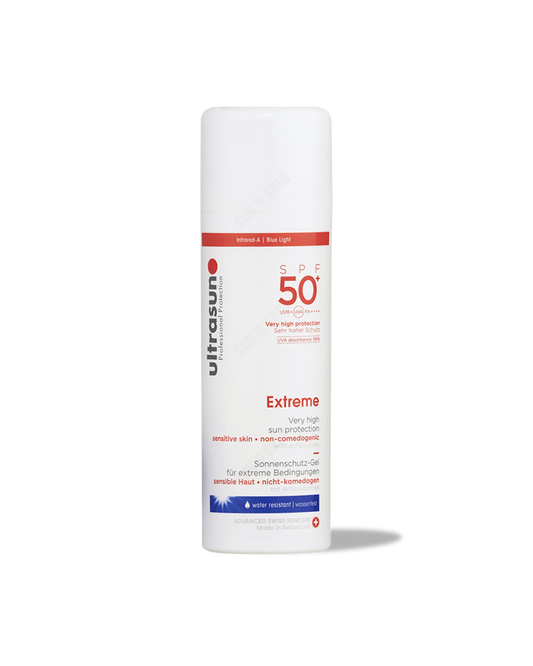
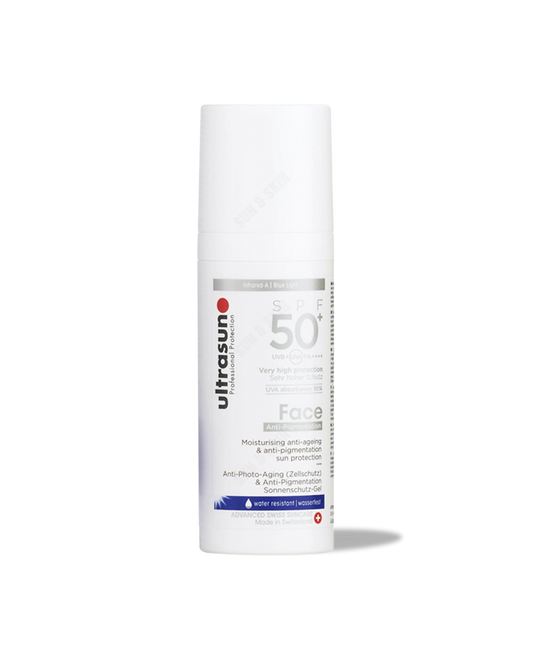
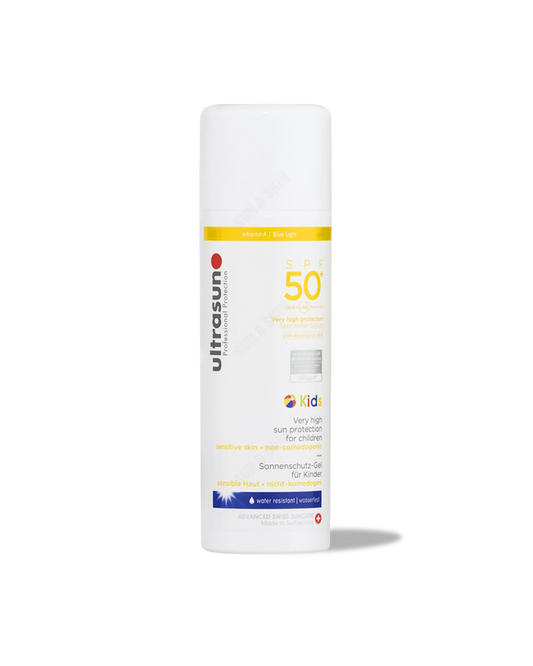
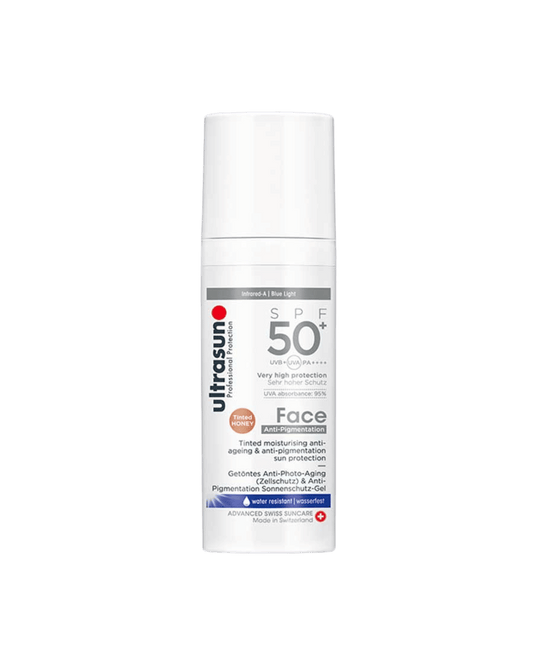
SPF 50 provides additional UVB protection, but application matters just as much as the number on the bottle.
👉 SPF 30 vs SPF 50: Which Should You Use?

💧 3. Apply Enough & Reapply
Even SPF 50 can't provide its labelled protection if you don't apply enough.
For an adult's full body, the NHS recommends around 6–8 teaspoons of sunscreen. Apply generously and reapply regularly, particularly after swimming, sweating or towel drying.
Don't forget easily missed areas:
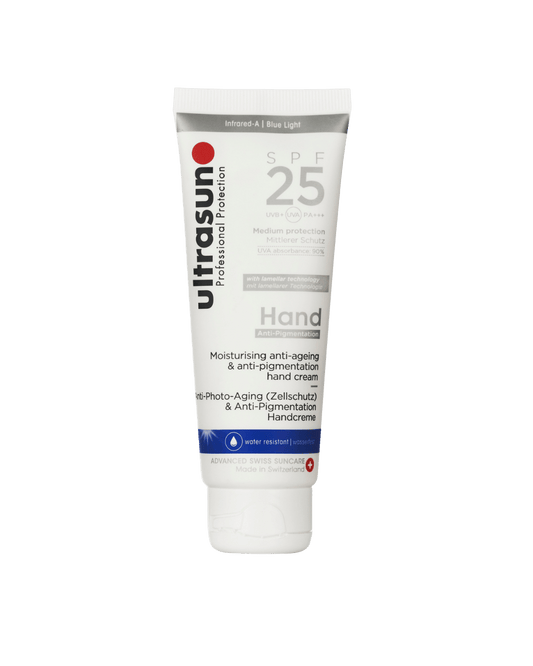
Ears · Neck · Hairline · Shoulders · Hands · Feet · Lips
👉 How Much Sunscreen Do You Need?
🏖️ 4. Don't Rely on Sunscreen Alone
Sunscreen is just one part of your sun-protection routine.
When UV is strong:
- Seek shade, especially around the middle of the day
- Cover up with clothing
- Wear a wide-brimmed hat
- Protect your eyes with UV-protective sunglasses
- Apply sunscreen to exposed skin
Cancer Research UK recommends combining all three: shade + clothing + sunscreen.
🕶️ 5. Protect Your Eyes Too
Your sun-protection routine shouldn't stop at your skin.
Look for sunglasses labelled UV400 or 100% UV protection, ideally with coverage around the sides of the eyes. A wide-brimmed hat provides additional protection for your face, ears and neck.
At Sun & Skin, you'll find sun-protection essentials from Coral Eyewear alongside our SPF collection.
🌥️ What About Cloudy Days?
You can still get sunburned when it's cloudy.
More than 90% of UV can pass through clouds, so don't use temperature or cloud cover as your only guide. Check the UV Index instead.
👉 Do You Need SPF Every Day in the UK?
🌊 What About Swimming & Sport?
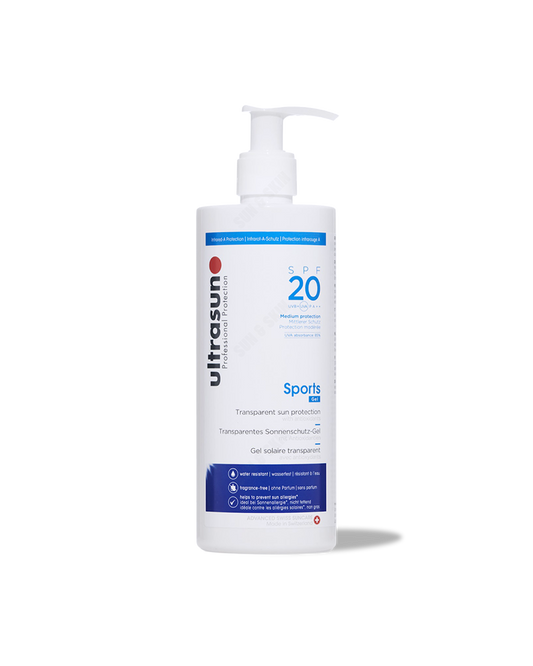
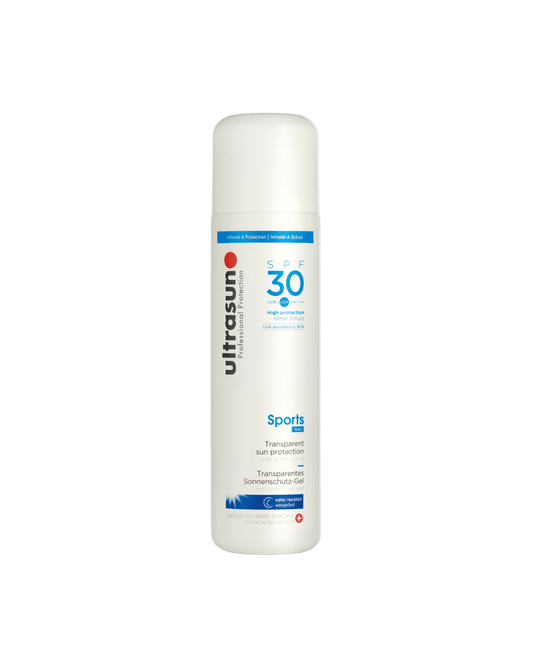
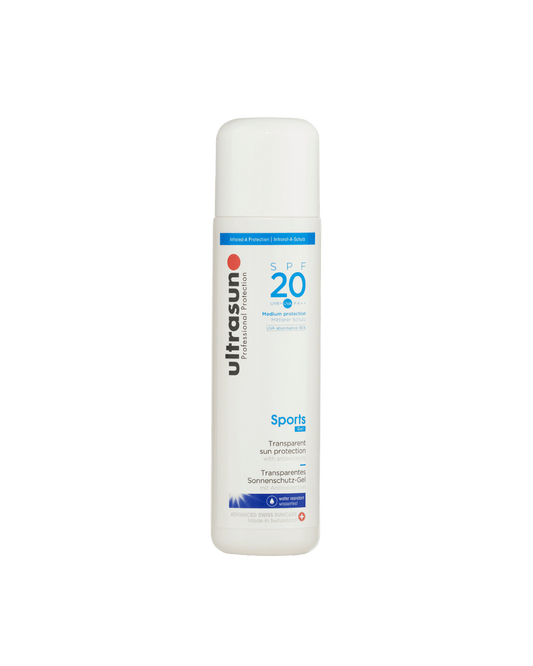
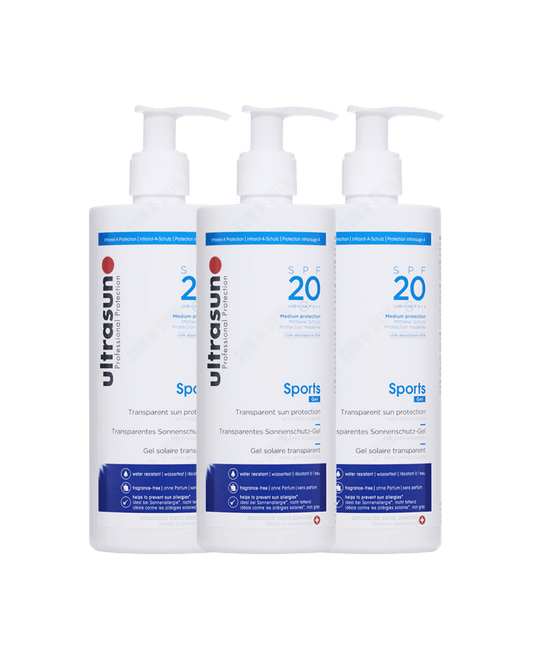
If you're swimming, exercising or spending a long day outdoors, choose a sunscreen designed for your activity and reapply after swimming, sweating or towel drying.
Remember: water-resistant doesn't mean waterproof.
👉 Water-Resistant Sunscreen: What Does It Really Mean?
For easy application, you can also choose from sprays, lotions, mousses and sticks.
👉 Spray vs Lotion vs Mousse vs Stick Sunscreen

✨ And What About Tanning?
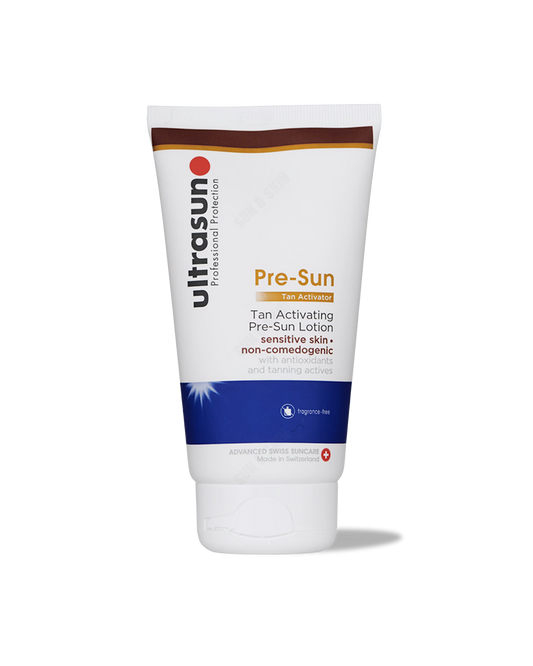
A tan is a sign of UV exposure and skin damage, not healthy or protected skin. If you want a bronzed glow, self-tanning products are a safer alternative to deliberately tanning in the sun or using sunbeds.
And remember: fake tan doesn't protect your skin from UV.
👉 Does Sunscreen Stop You Tanning?
Find Your Sun Protection Match
There's no one-size-fits-all sunscreen.
We've worked with dermatologist Dr Adil Sheraz to curate our collections and create our Skin Quiz, helping you find products suited to your skin, lifestyle and preferences.
Or explore our full sunscreen collection and Saver Bundles to find your SPF essentials.
Your Sun Protection Checklist
Before heading outside:
☀️ Check the UV Index
🧴 Apply SPF 30+ generously
🕶️ Put on UV-protective sunglasses
👒 Cover up with a hat and suitable clothing
🌳 Find shade when UV is strong
🔄 Reapply sunscreen regularly
Stay covered. Enjoy the sunshine.
Related Reading
SPF 30 vs SPF 50: Which Sunscreen Should You Use?
How Much Sunscreen Do You Need?
Do You Need SPF Every Day in the UK?
Sunscreen for Different Skin Types
Trusted Sources
NHS - Sunscreen and sun safety
https://www.nhs.uk/live-well/seasonal-health/sunscreen-and-sun-safety/
Cancer Research UK - Sun safety
https://www.cancerresearchuk.org/about-cancer/causes-of-cancer/sun-uv-and-cancer/sun-safety
Cancer Research UK - The UV Index and sunburn risk
https://www.cancerresearchuk.org/about-cancer/causes-of-cancer/sun-uv-and-cancer/the-uv-index-and-sunburn-risk
Met Office - UV warnings and advice
https://weather.metoffice.gov.uk/warnings-and-advice/seasonal-advice/health-wellbeing/uv