












Do You Need SPF Every Day in the UK?
Do You Really Need Sunscreen Every Day in the UK?
Cloudy skies, chilly temperatures and a lack of sunshine can make sunscreen feel unnecessary - but UV exposure isn't determined by how warm or sunny it feels outside.
The simple answer is: not necessarily every single day, but you should pay attention to the UV Index.
The NHS recommends considering sun protection when the UV Index reaches 3 or above. (NHS)
So before leaving the house, don't just check the weather forecast. Check the UV Index too.

Can You Get Sunburned on a Cloudy Day?
Yes.
Clouds can reduce UV levels, but they don't block all UV radiation. You can still be exposed to enough UV to cause sunburn and skin damage, particularly when the UV Index is high.
In the UK, UV levels are generally strongest between March and October, with the highest levels around the middle of the day. (Cancer Research UK)
And remember: temperature isn't a reliable indicator of UV exposure.
A cool spring day can have a higher UV Index than a hot summer afternoon.
What Is the UV Index?
The UV Index tells you how strong the sun's ultraviolet radiation is and helps you understand when sun protection is needed.
A simple guide:
| UV Index | What to do |
|---|---|
| 0–2 | Low — protection generally not needed for most people |
| 3–5 | Moderate — start using sun protection |
| 6–7 | High — extra protection needed |
| 8–10 | Very high — minimise exposure |
| 11+ | Extreme — avoid direct sun where possible |
The higher the UV Index, the faster unprotected skin can be damaged.
👉 Check the Met Office UV Index
What SPF Should You Use in the UK?
When UV protection is needed, the NHS recommends at least SPF 30, alongside good UVA protection.
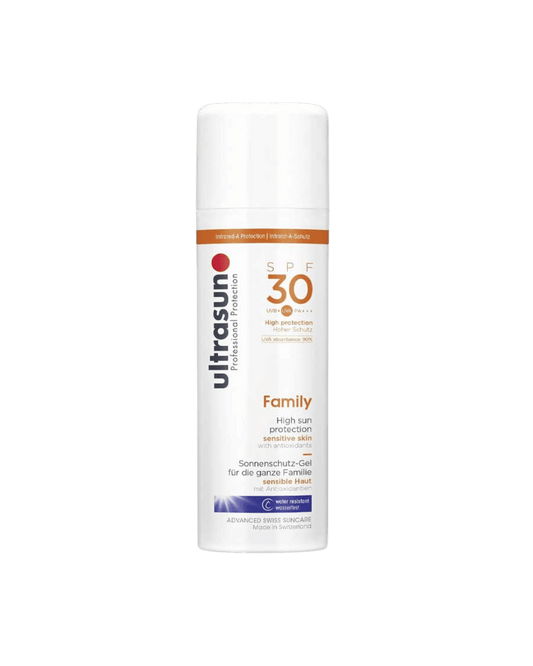
SPF 30
A great everyday option when you're spending time outdoors and the UV Index is moderate.
Try:
EVY Sunscreen Mousse SPF 30
Suntribe Mineral Sunscreen SPF 30
SPF 50
A good choice when you want additional UVB protection or you're expecting prolonged or more intense sun exposure.
Try:
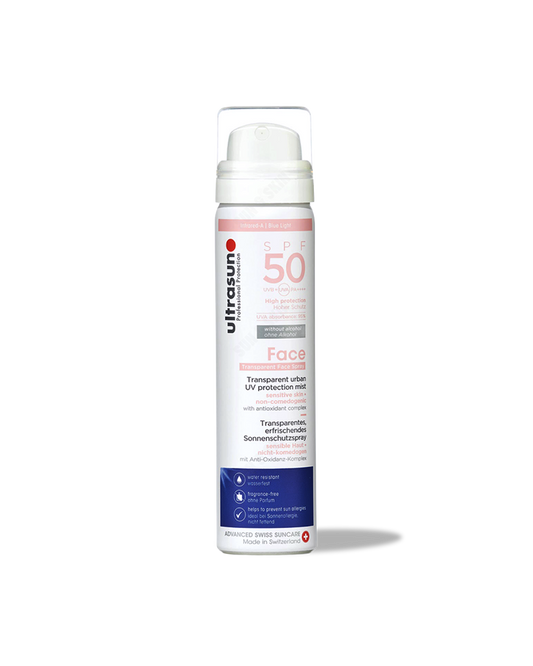
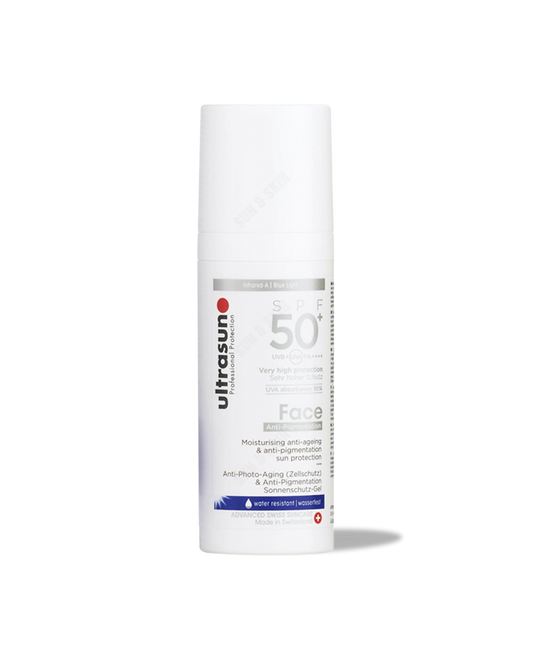
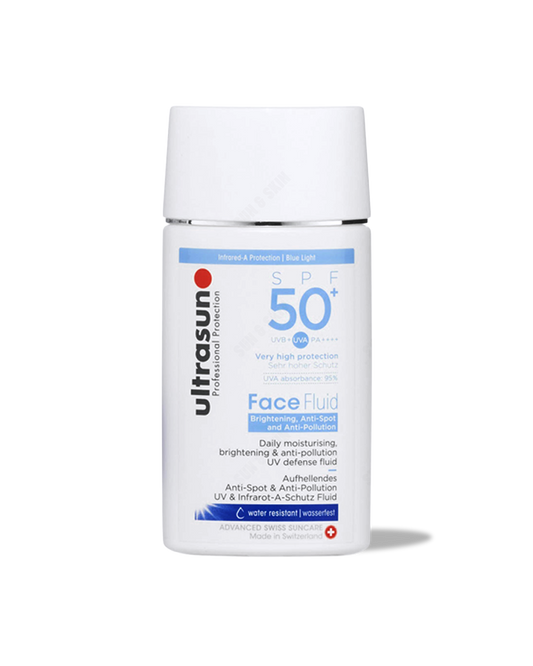
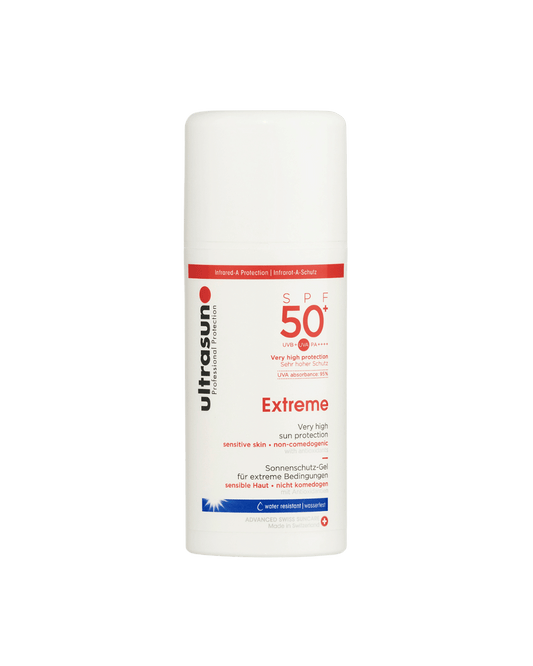
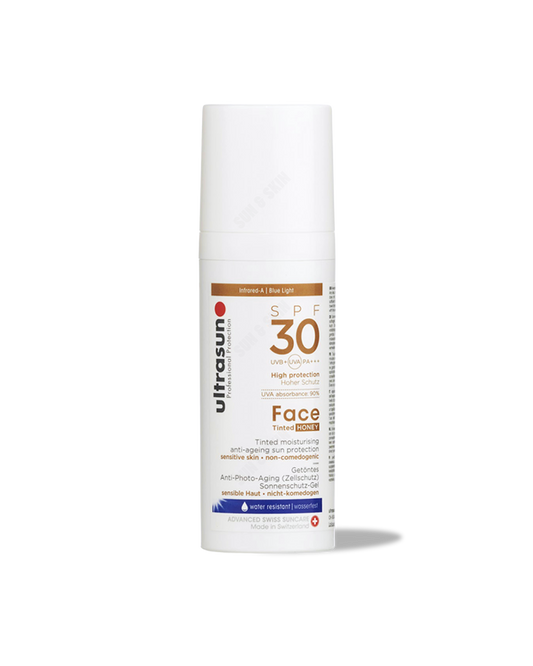
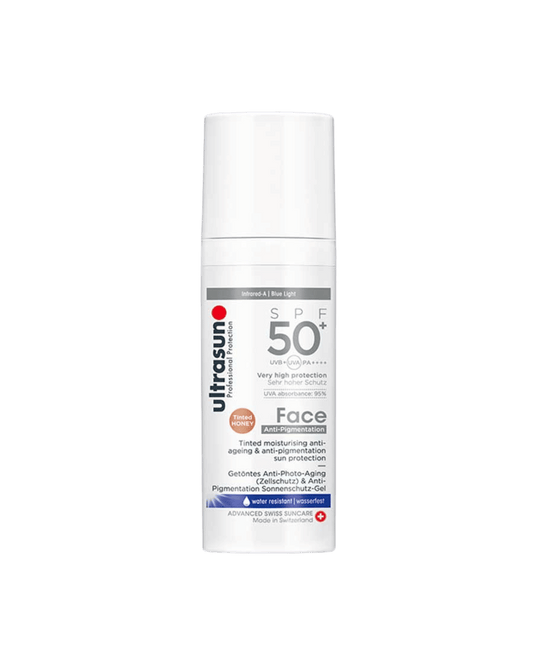
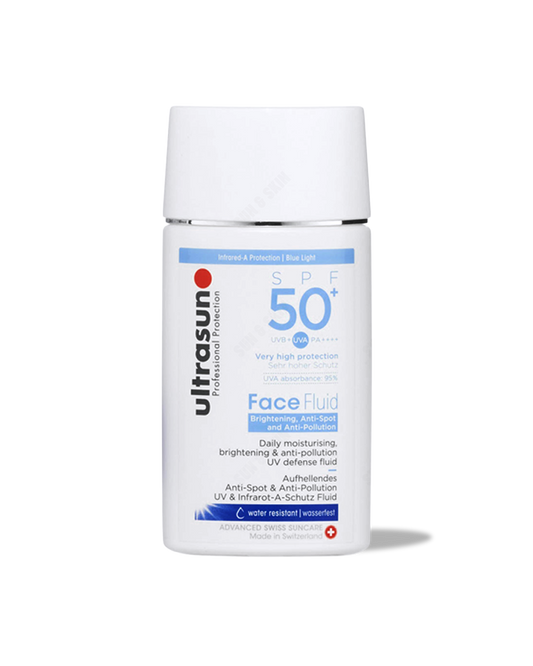
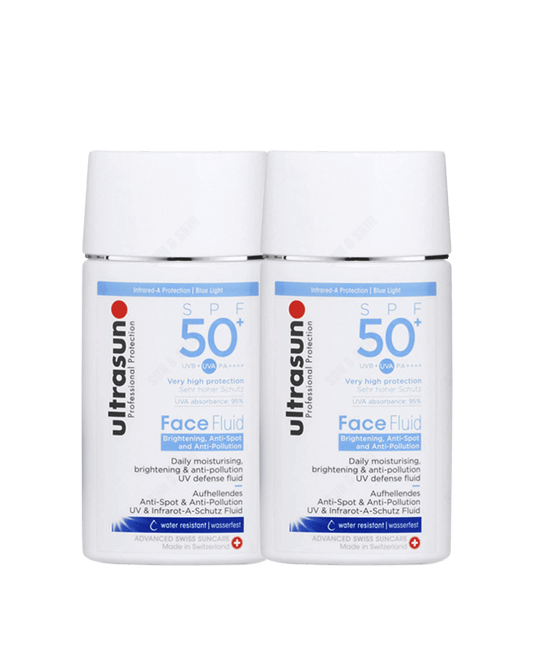
Ultrasun Face SPF 50
Altruist SPF 50
EVY SPF 50
Suntribe Mineral UV Shield SPF 50
Australian Gold SPF 50
What About Winter?
You don't necessarily need to reach for SPF every winter morning — but winter doesn't automatically mean zero UV exposure.
If the UV Index is 3 or above, you're spending significant time outside, or you're travelling somewhere with stronger UV, sun protection becomes important.
And if you're using SPF as part of your daily skincare routine, continuing through the year can make it easier to stay consistent.
For winter skincare, remember that UV protection is only one part of caring for your skin. Hydration, moisturising and protecting your skin barrier matter too.
👉 Read our Winter Skincare Guide →
What About UVA?
Even when you're not worried about sunburn, UVA exposure can contribute to long-term skin damage and premature skin ageing.
That's why choosing a sunscreen isn't just about the SPF number.
Look for SPF 30 or higher + strong UVA protection, such as a high UVA star rating or the UVA circle.
Don't Rely on SPF Alone
Sunscreen is important, but it's only one part of smart sun protection.
When UV levels are high:
☀️ Seek shade where possible
👒 Wear a hat and protective clothing
🕶️ Protect your eyes with UV-protective sunglasses
🧴 Apply sunscreen generously and reapply regularly
⏰ Avoid prolonged exposure around the middle of the day
Cancer Research UK recommends combining sunscreen with shade and clothing rather than relying on sunscreen alone. (Cancer Research UK)
Find Your Everyday SPF
Not sure which sunscreen is right for your skin or lifestyle?
We've worked with dermatologist Dr Adil Sheraz to curate our collections and create our Skin Quiz, helping you find the right products for your needs.
Or explore our Saver Bundles → to stock up and save.
Related Reading
SPF 30 vs SPF 50: Which Sunscreen Should You Use?
Why Daily SPF Is Your Skin's Best Defence
How to Choose the Right Sunscreen for Your Skin Type & Skin Tone
Trusted Sources
NHS — Sunscreen and sun safety
https://www.nhs.uk/live-well/seasonal-health/sunscreen-and-sun-safety/
Cancer Research UK — Sun safety
https://www.cancerresearchuk.org/about-cancer/causes-of-cancer/sun-uv-and-cancer/sun-safety
Met Office — UV warnings and advice
https://weather.metoffice.gov.uk/warnings-and-advice/seasonal-advice/health-wellbeing/uv