












UVA vs UVB: What's the Difference and Why Does It Matter?
Most of us know sunscreen helps prevent sunburn - but did you know there are two different types of ultraviolet (UV) rays that affect your skin?
Understanding the difference between UVA and UVB can help you make more informed choices about sun protection, reduce premature skin ageing and better protect your skin for the long term.
Let's break it down.
What are UV rays?
Ultraviolet (UV) rays are invisible rays produced by the sun. Although you can't see or feel them, they have a significant impact on your skin.
The two types that reach the Earth's surface are:
- UVA
- UVB
While they affect your skin differently, both can cause damage, making protection against both equally important.
UVA: Think Ageing
A = Ageing
UVA rays penetrate deep into the skin, reaching the layers where collagen and elastin are found.
Over time, repeated exposure can contribute to:
- Fine lines and wrinkles
- Loss of skin firmness
- Pigmentation and dark spots
- Premature skin ageing (photoageing)
One of the biggest misconceptions about UVA rays is that they're only a concern on sunny days.

In reality, UVA is present all year round, can penetrate cloud cover and even pass through ordinary window glass. That means your skin is exposed whether you're driving, sitting near a window or enjoying a walk on an overcast day.
UVB: Think Burning
B = Burning
UVB rays primarily affect the outer layers of the skin and are responsible for sunburn.

They can also damage skin cells and play an important role in the development of skin cancer.
UVB rays are strongest when the UV Index is high, particularly during spring and summer, but protection is still important whenever UV levels are elevated.
So... Which Is Worse?
Neither.
UVA and UVB damage the skin in different ways, but both contribute to skin damage and increase the risk of skin cancer.
|
UVA |
UVB |
|---|---|
|
Think Ageing |
Think Burning |
| Penetrates deeper into the skin | Affects the skin's surface |
| Contributes to wrinkles & pigmentation | Causes sunburn |
| Present all year round | Strongest when the UV Index is high |
| Can pass through clouds and windows | Doesn't penetrate ordinary window glass well |
Your sunscreen should protect against both UVA and UVB.
What Does "Broad Spectrum" Mean?
A broad-spectrum sunscreen is formulated to protect your skin against both UVA and UVB rays.
While SPF tells you how well a sunscreen protects against UVB, broad-spectrum protection ensures you're also protected against UVA - the rays responsible for much of the skin's long-term damage.
That's why broad-spectrum protection is one of the most important things to look for when choosing a sunscreen.
Our Top Picks for Every Lifestyle
Everyday Protection
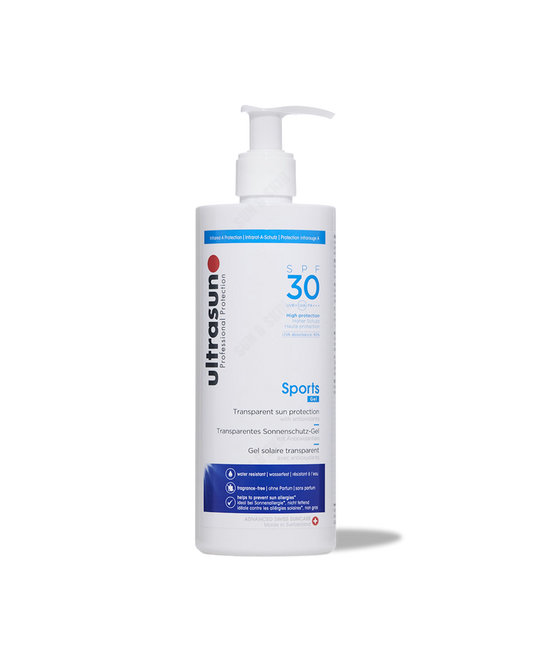
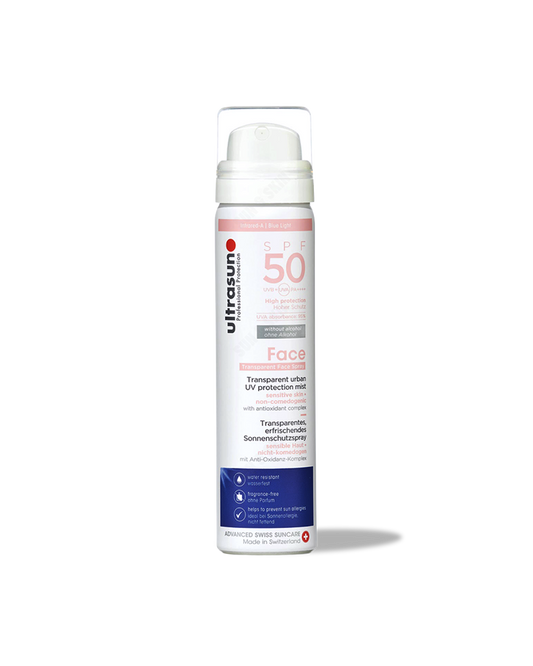
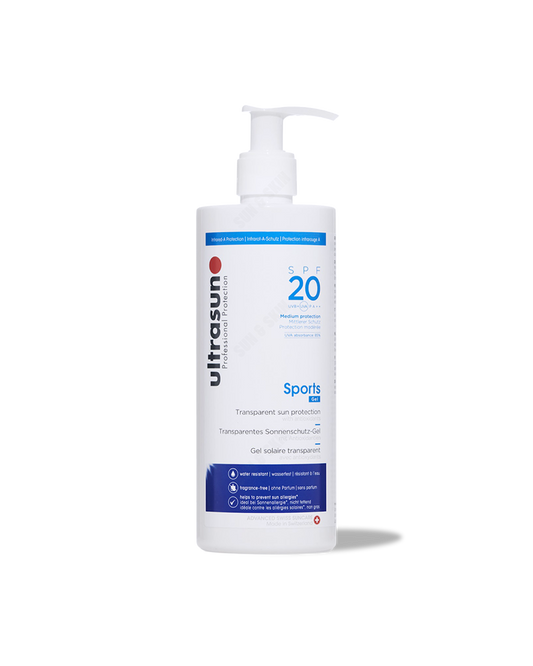
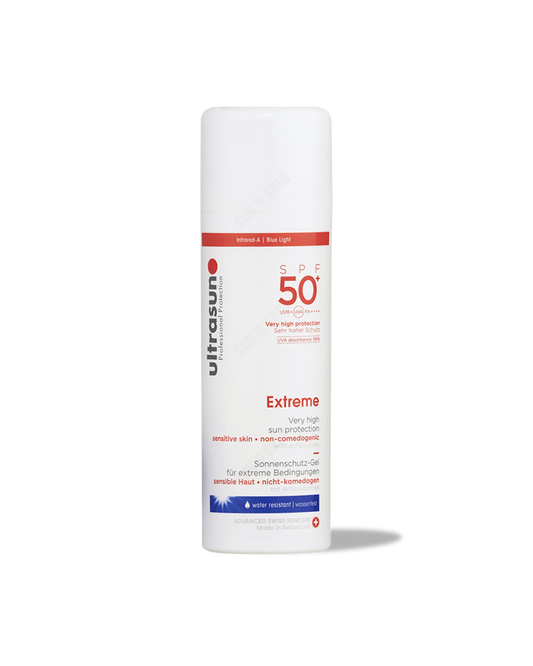
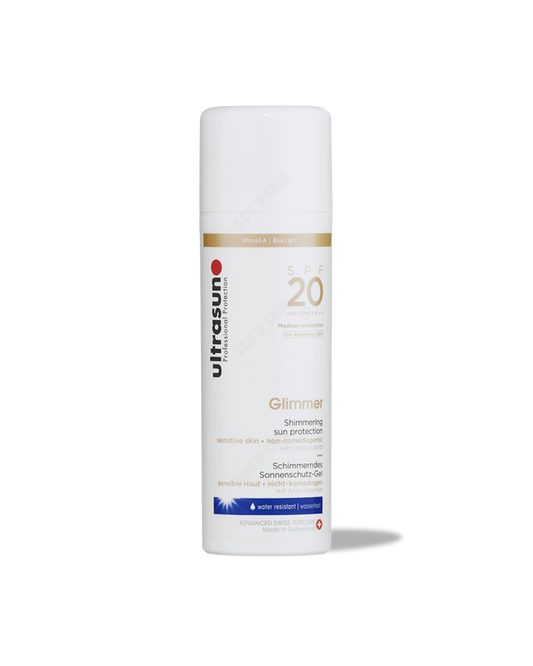
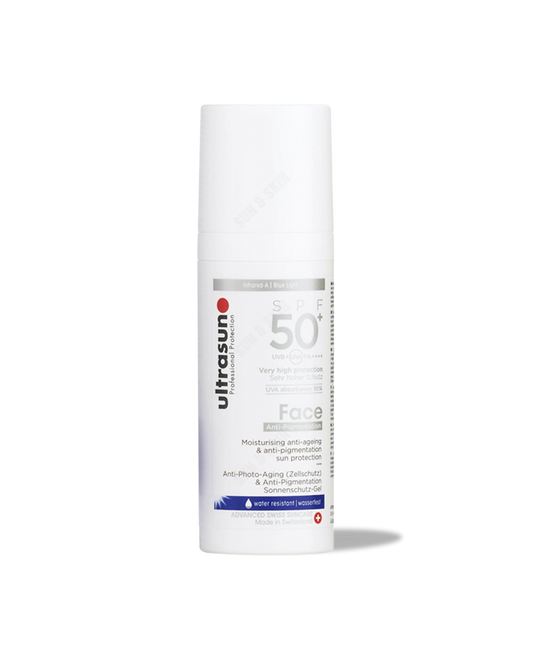
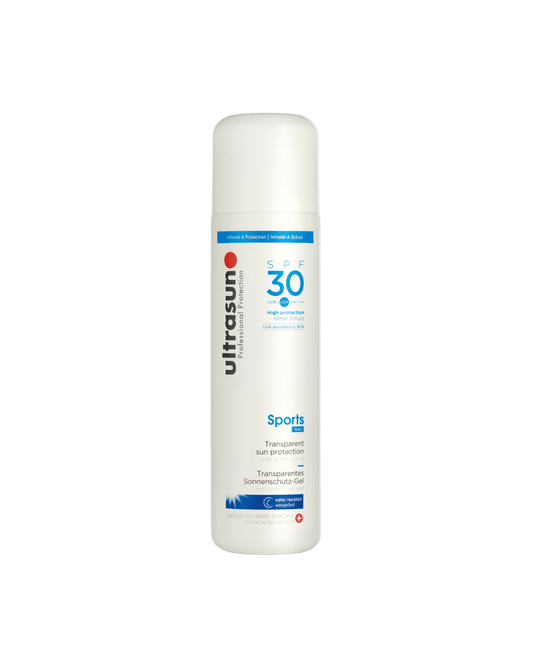
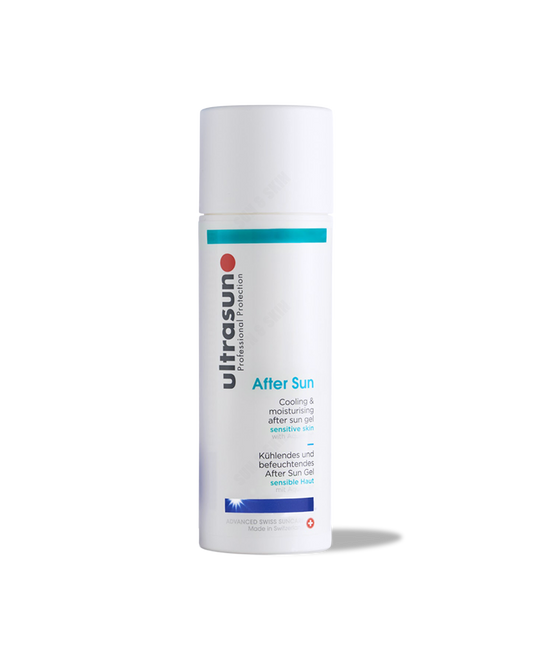
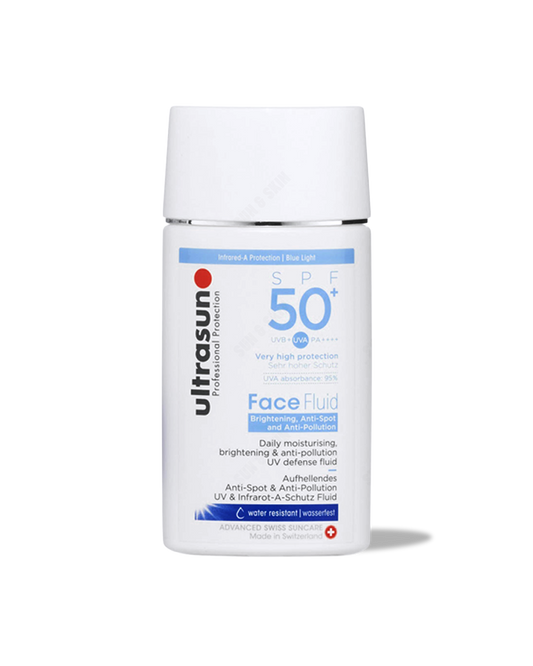
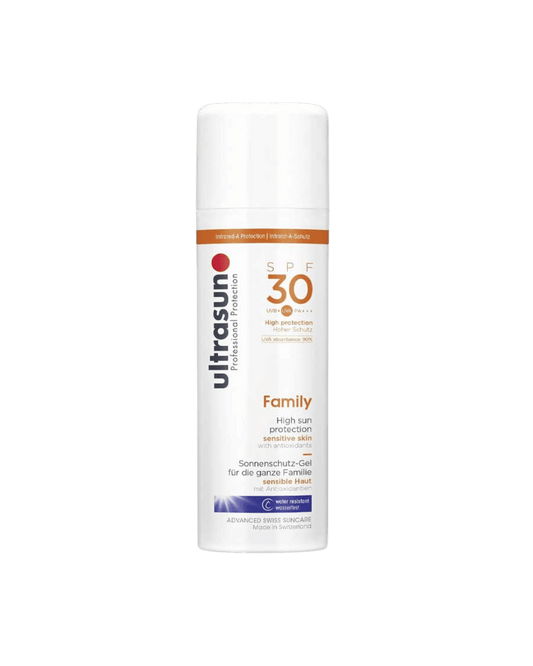
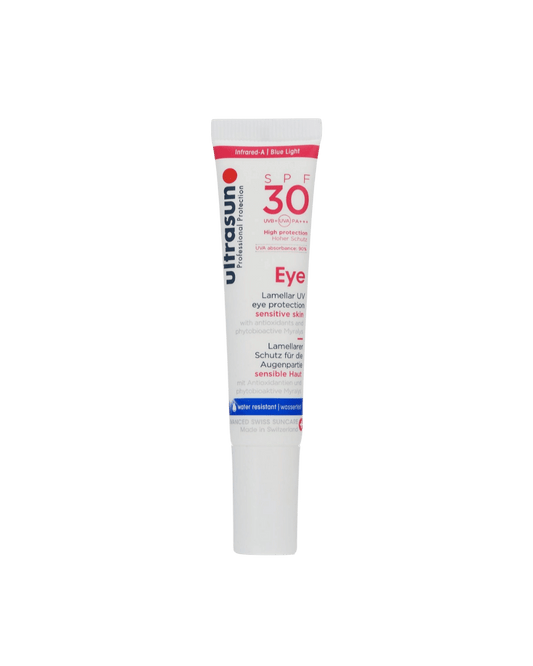
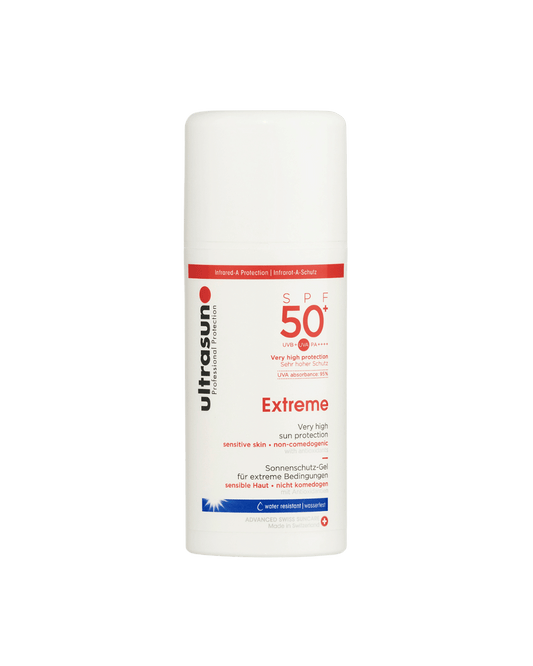
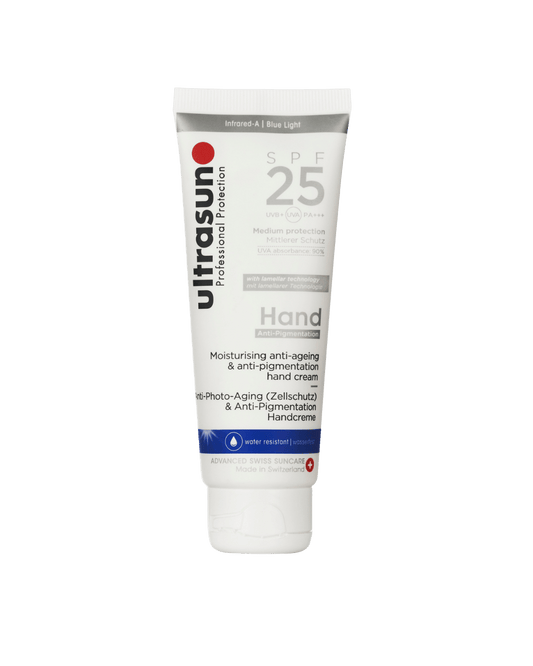
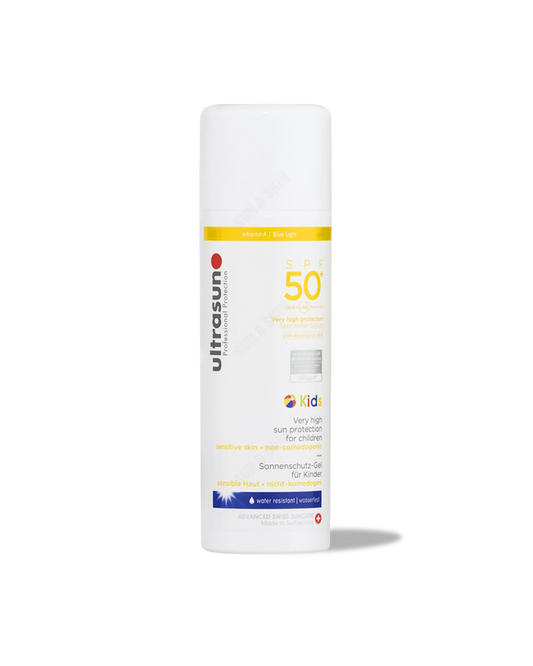
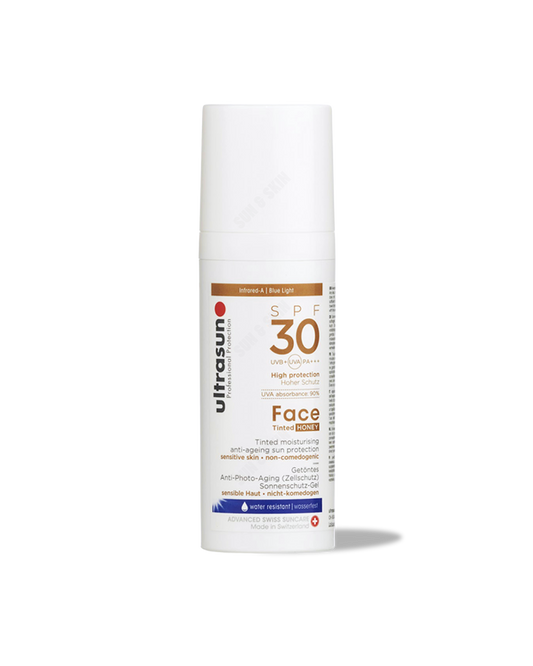
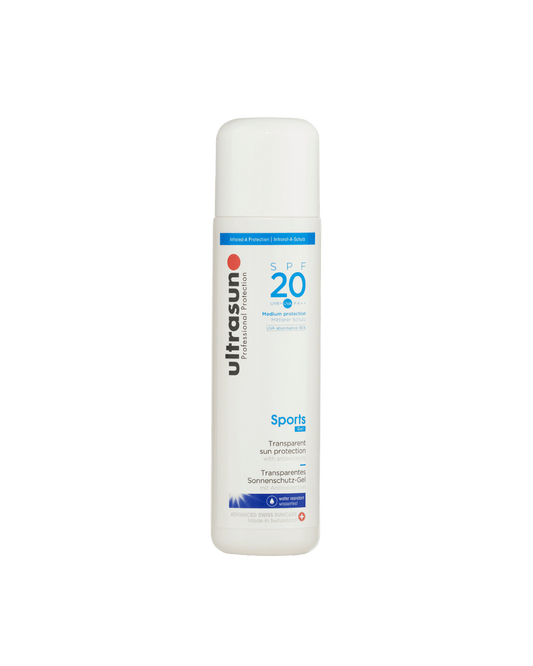
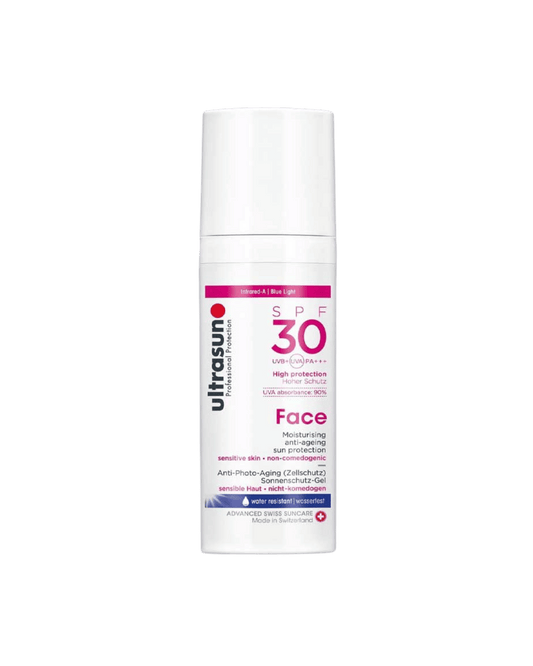
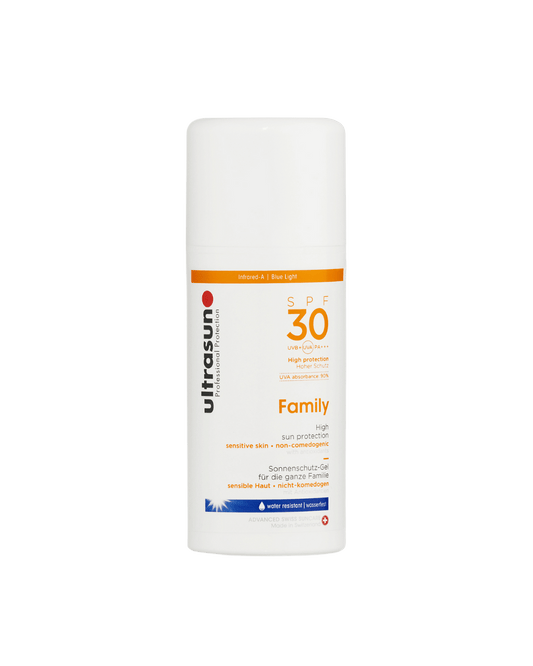
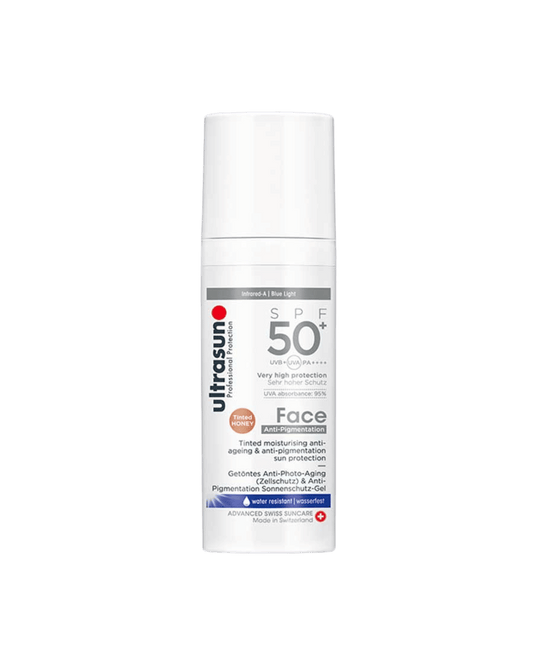
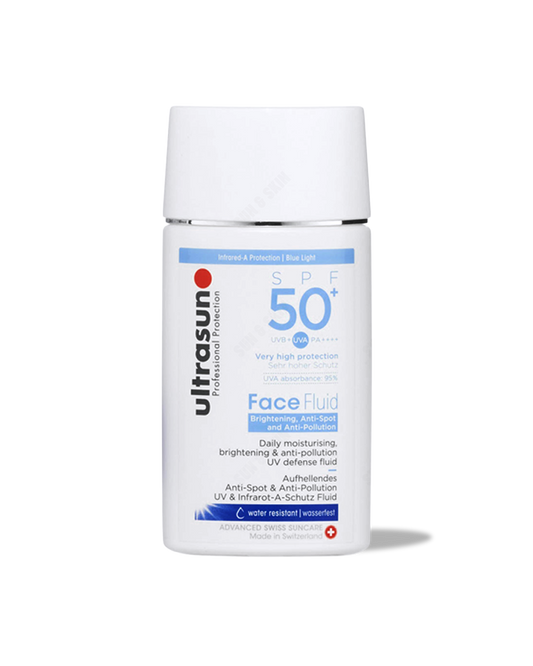
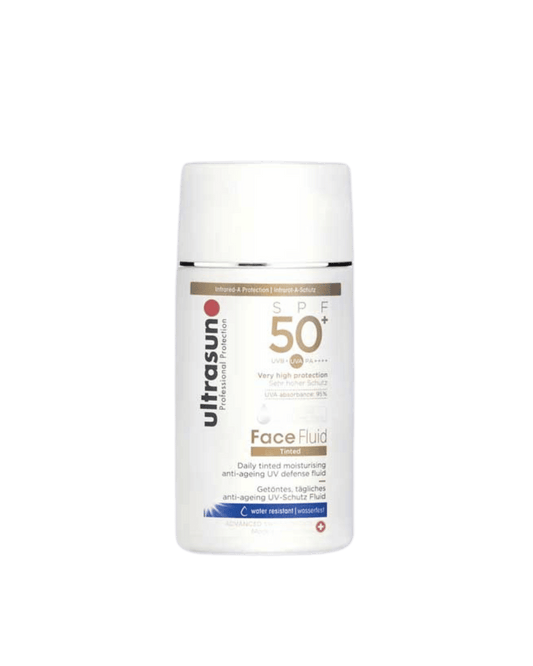
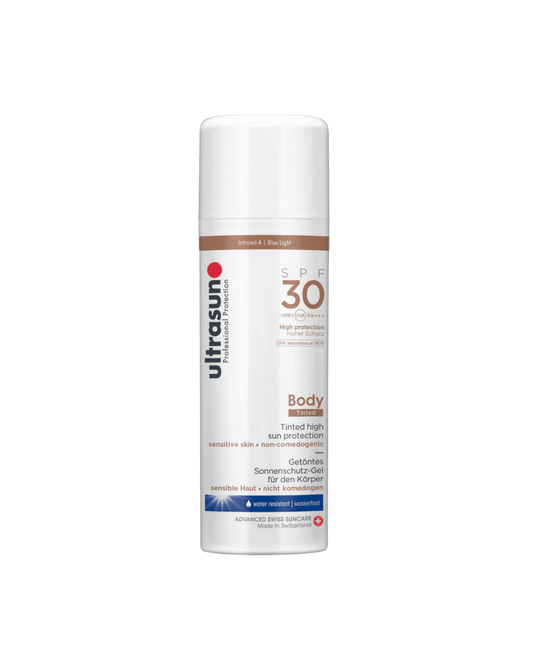
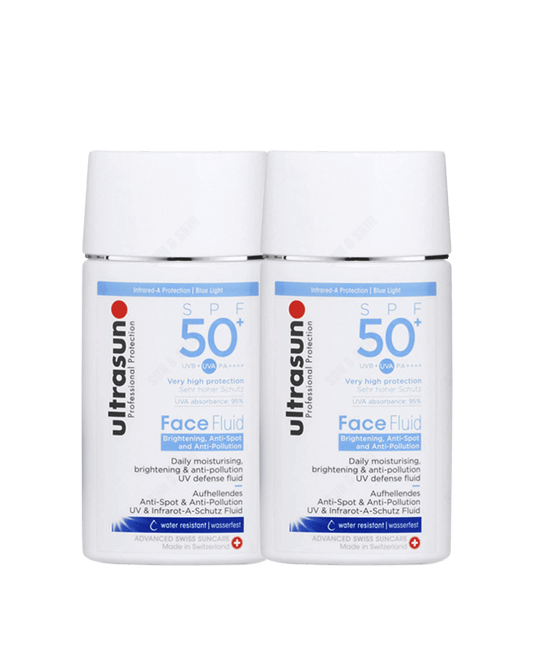
Looking for a lightweight sunscreen that fits seamlessly into your morning routine? Explore Ultrasun and Altruist.
Active Lifestyles
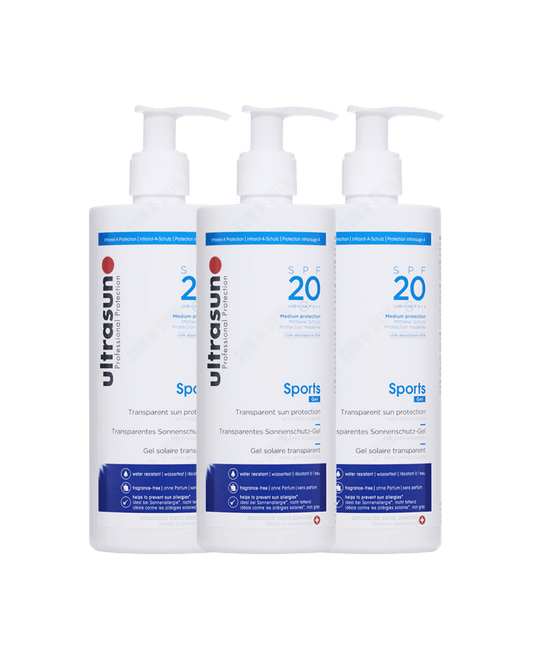
Need sunscreen that keeps up with swimming, running or long days outdoors? Discover EVY Technology.
Family Days Out
For reliable protection the whole family can enjoy, explore Australian Gold.
Mineral Protection
Prefer mineral UV filters? Discover Suntribe, made with naturally derived mineral filters.
Not Sure Which Sunscreen Is Right for You?
Choosing sunscreen shouldn't be complicated.
Our free Skin Quiz recommends products based on your skin type, lifestyle and daily sun exposure - helping you find your perfect SPF in just a few minutes.

Understanding the difference between UVA and UVB is one of the simplest ways to make smarter decisions about sun protection.
- UVA = Ageing
- UVB = Burning
- Both can damage your skin.
- Both increase your risk of skin cancer.
- Broad-spectrum sunscreen helps protect against both.
Whether you're heading to the beach, walking the dog or simply enjoying your morning coffee outdoors, wearing sunscreen every day is one of the best ways to protect your skin - today and for years to come.