





Mineral vs Chemical Sunscreen: What's the Difference?
Mineral vs Chemical Sunscreen: Which Is Better?
When choosing sunscreen, you've probably come across the terms mineral and chemical. But what's actually the difference - and is one better than the other?
The short answer: neither is automatically better. Both can provide effective protection when formulated and used correctly. The best choice comes down to your skin, preferences and the type of sunscreen you'll use consistently.
How Does Mineral Sunscreen Work?
Mineral sunscreens use UV filters such as zinc oxide and/or titanium dioxide. These sit on the skin and protect it by absorbing and scattering UV radiation.
Mineral SPF can be a popular choice if you:
- Prefer zinc oxide-based protection
- Have sensitive skin
- Want to avoid certain chemical UV filters
- Prefer a more minimalist formulation
Try:
Suntribe Mineral Sunscreen SPF 30
Suntribe Organic Mineral UV Shield SPF 50
Zinka

How Does Chemical Sunscreen Work?
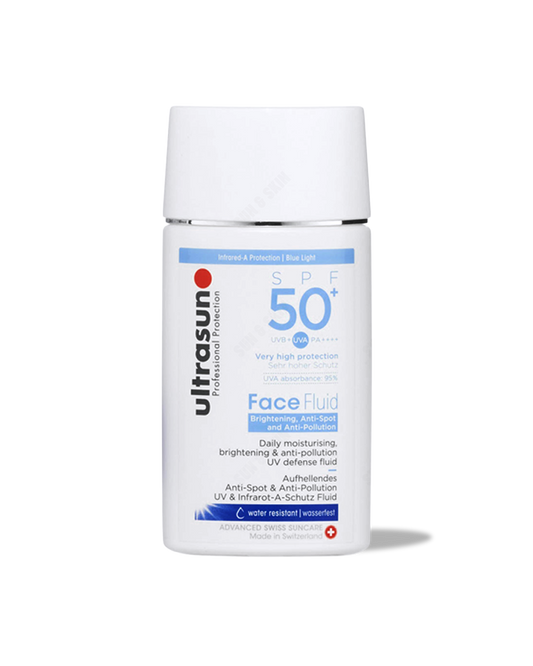
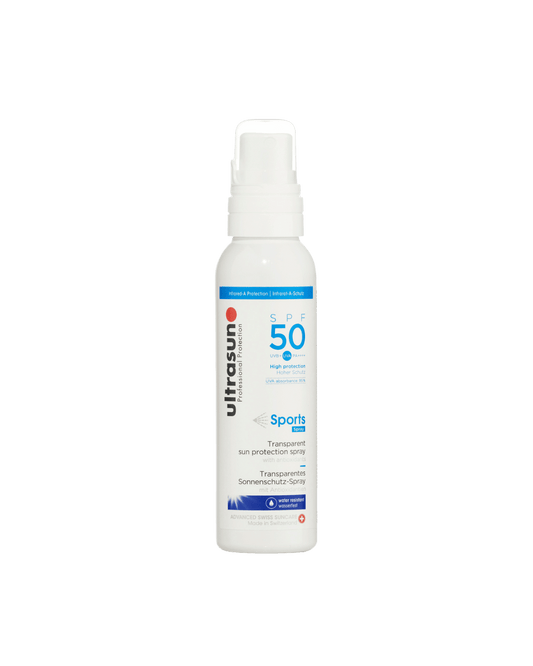
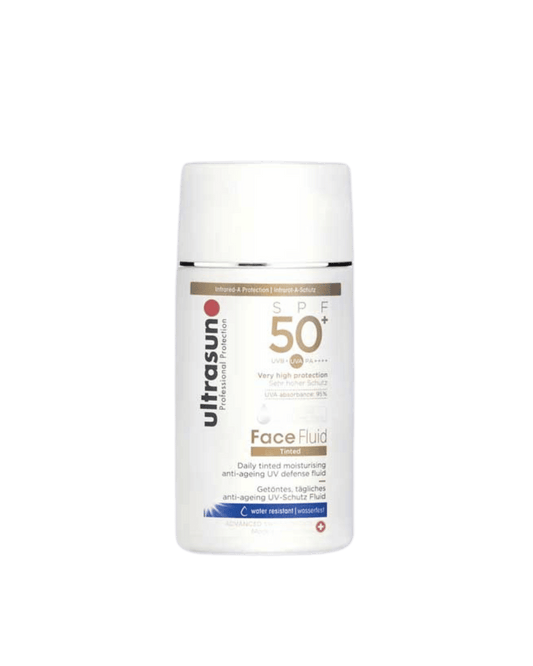
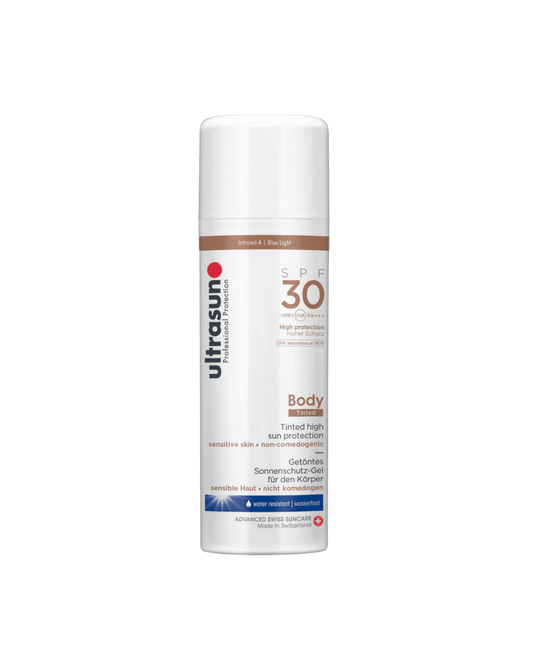
Chemical sunscreens, more accurately called organic-filter sunscreens, use UV filters that absorb UV radiation and convert the energy into heat, which is then released from the skin.
They can be a great option if you prefer:
- Lightweight, easy-to-spread textures
- Formulas that disappear easily into the skin
- Sunscreen under makeup
- High protection without a noticeable white cast
Try:
EVY
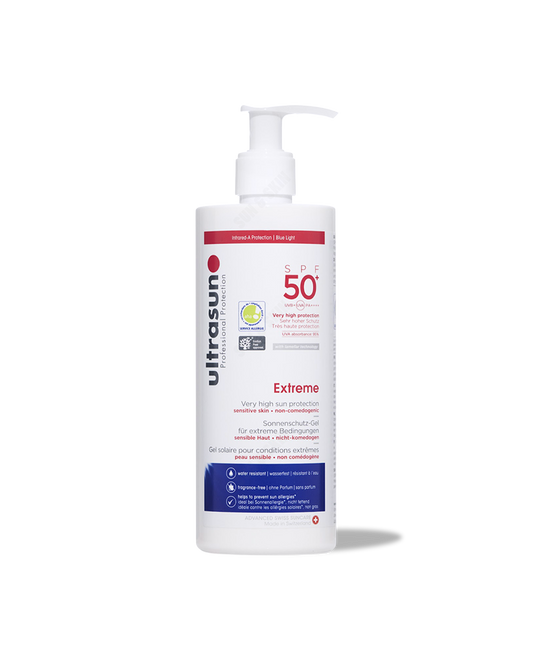
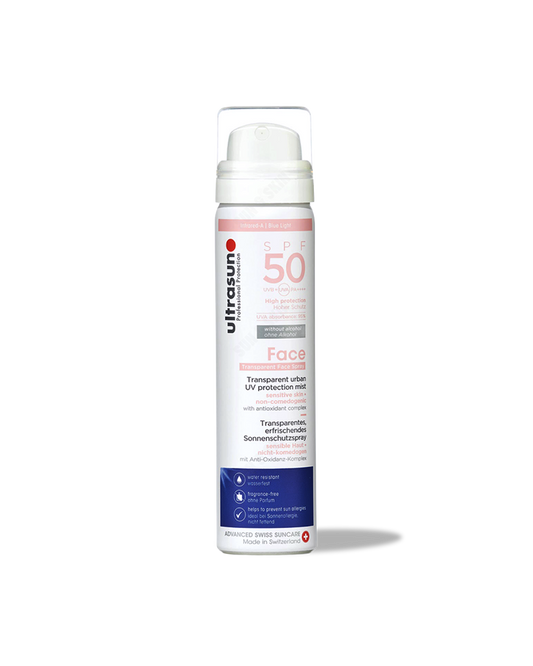
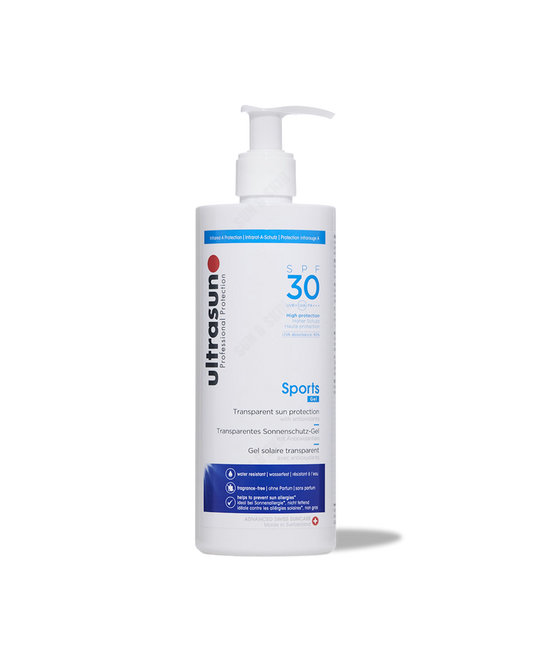
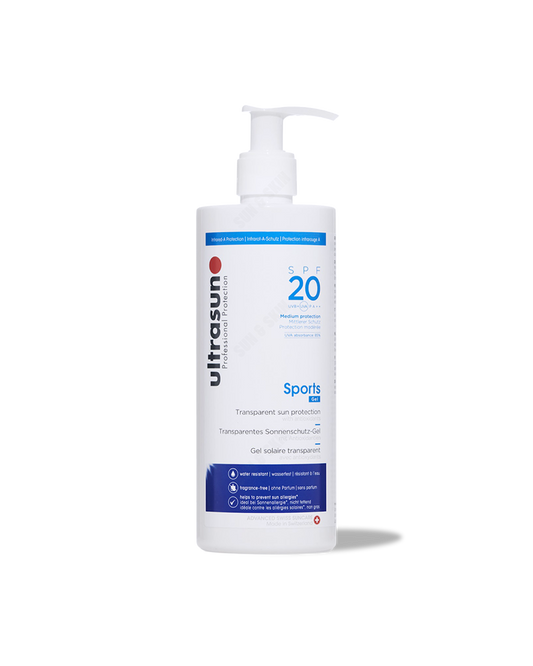
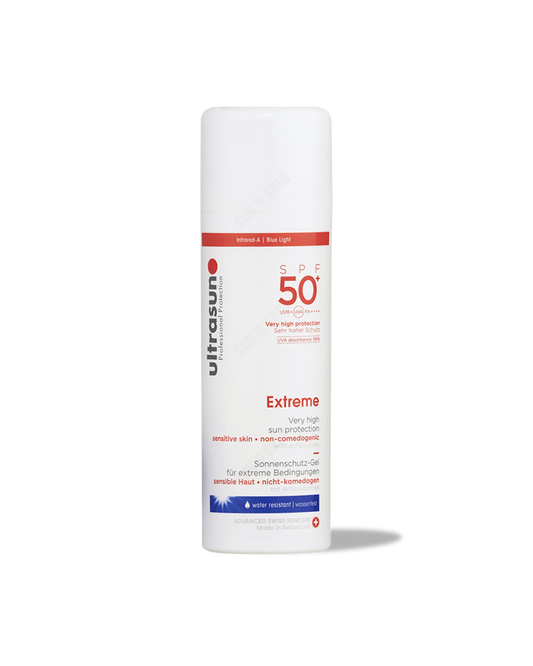
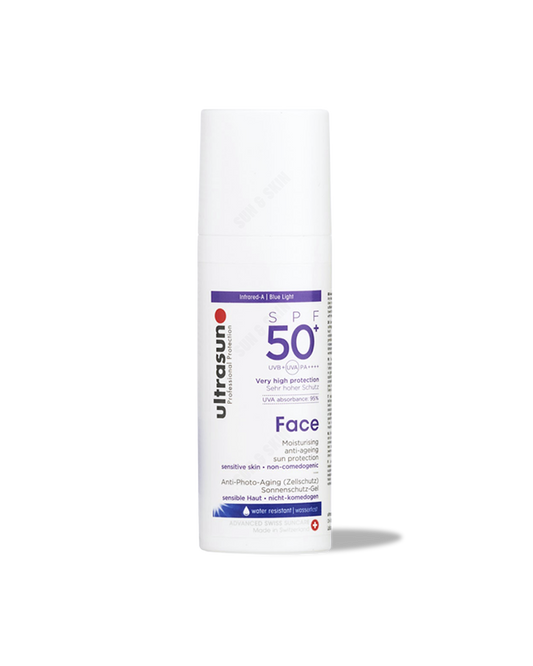
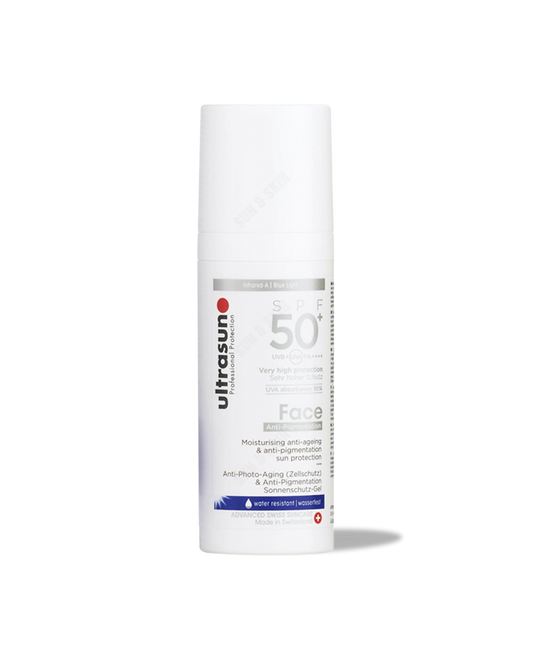
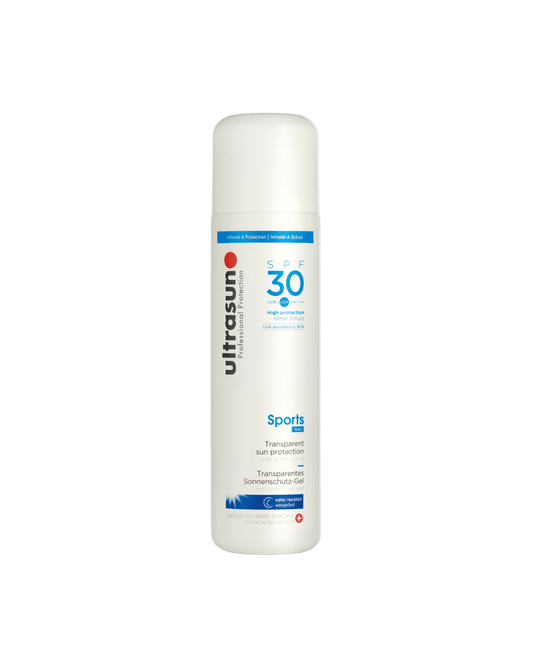
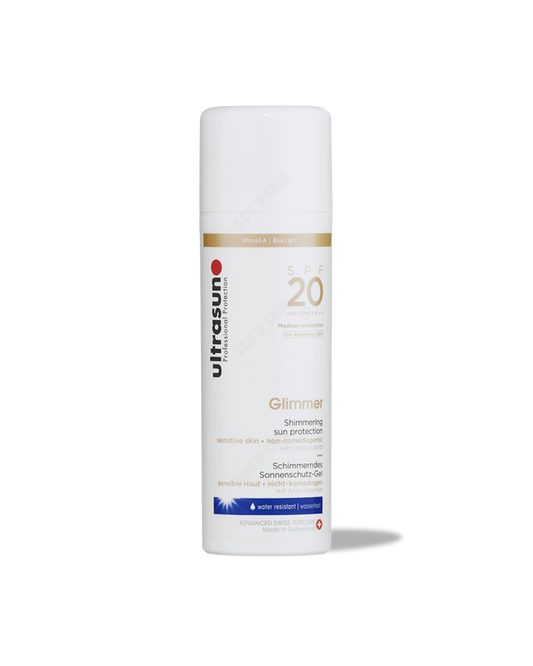
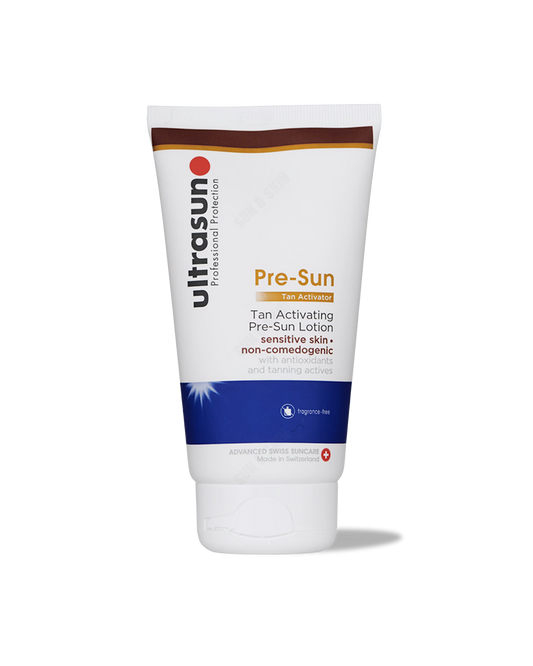
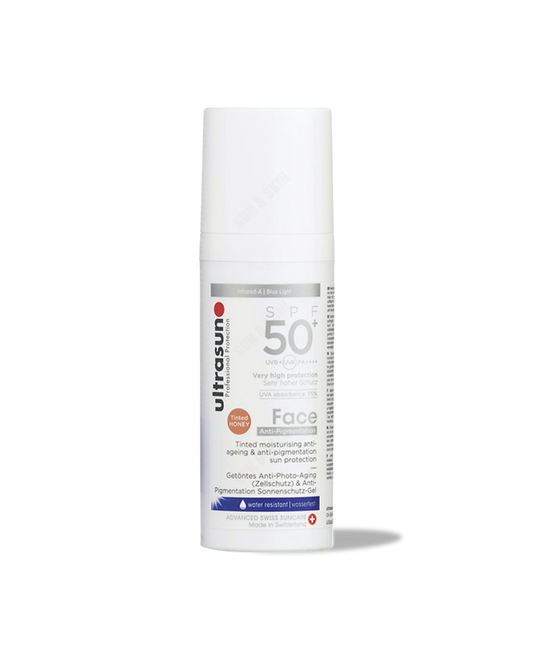
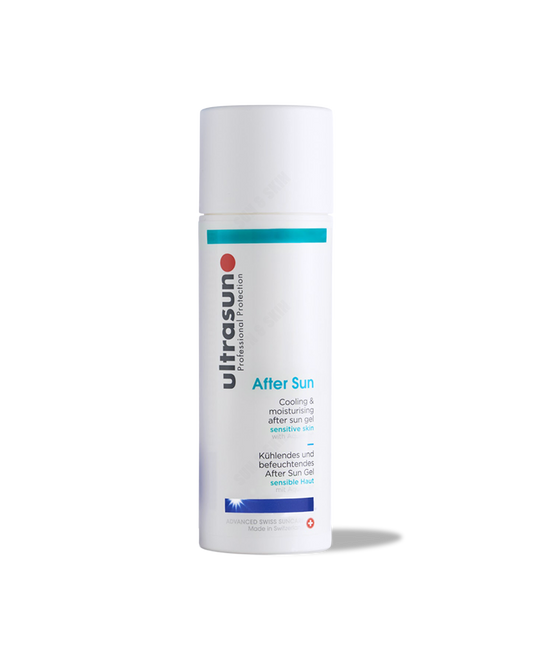
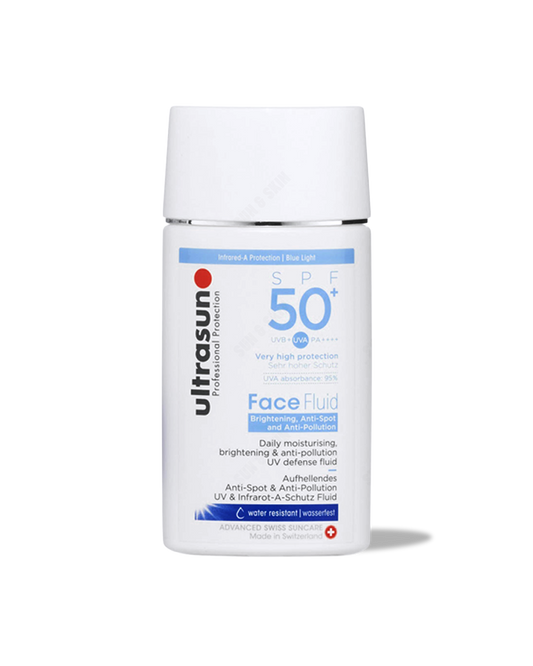
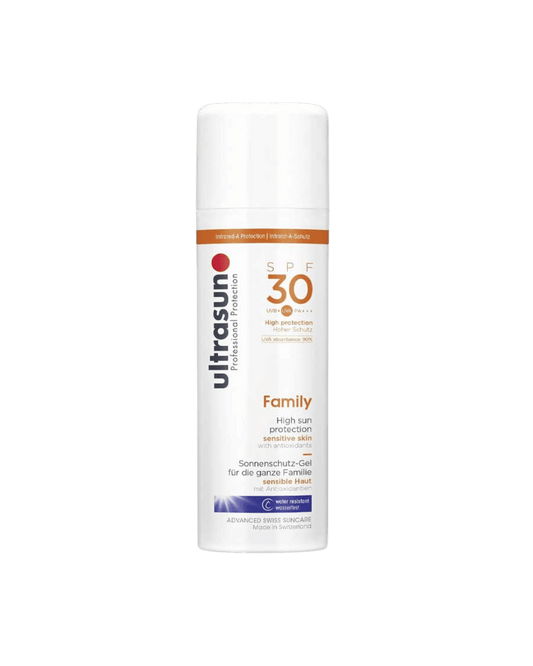
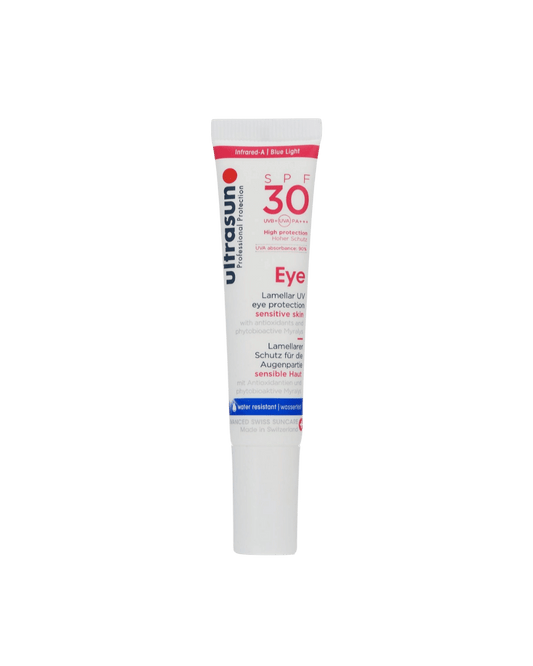
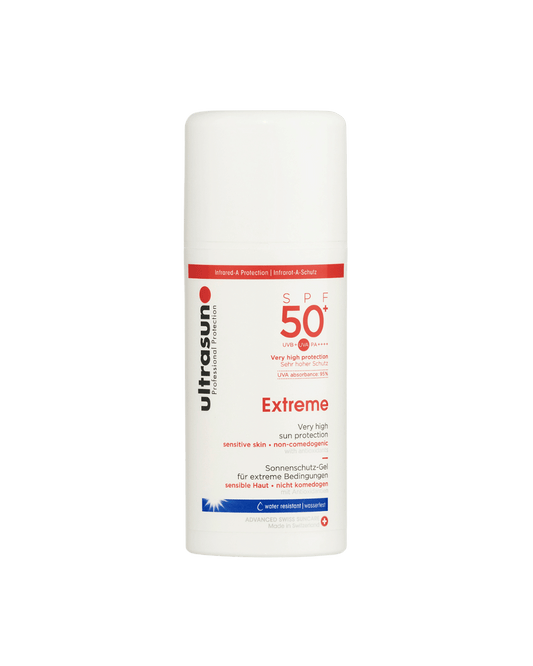
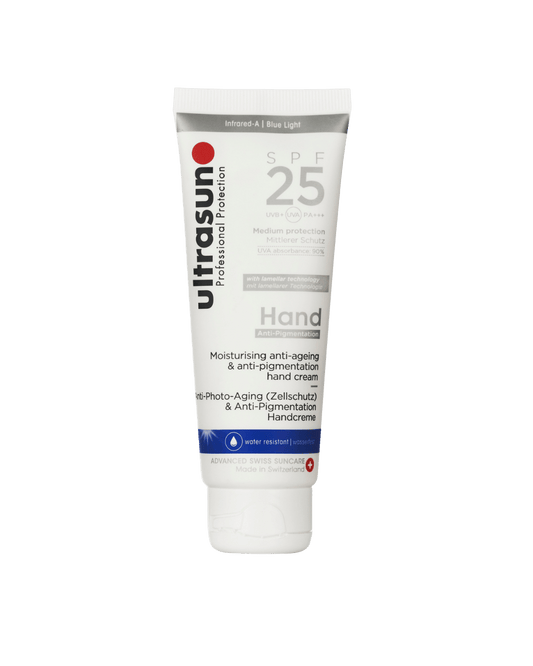
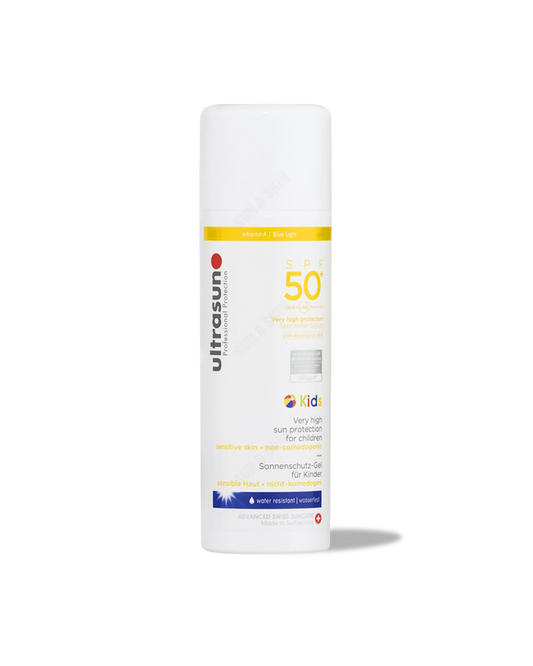
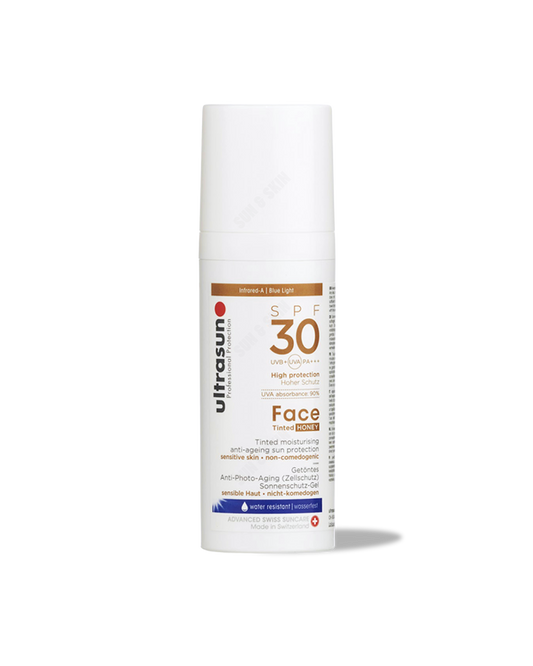
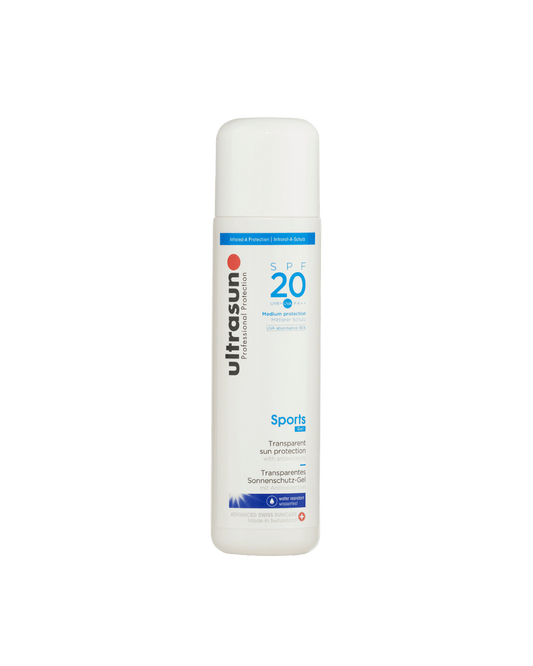
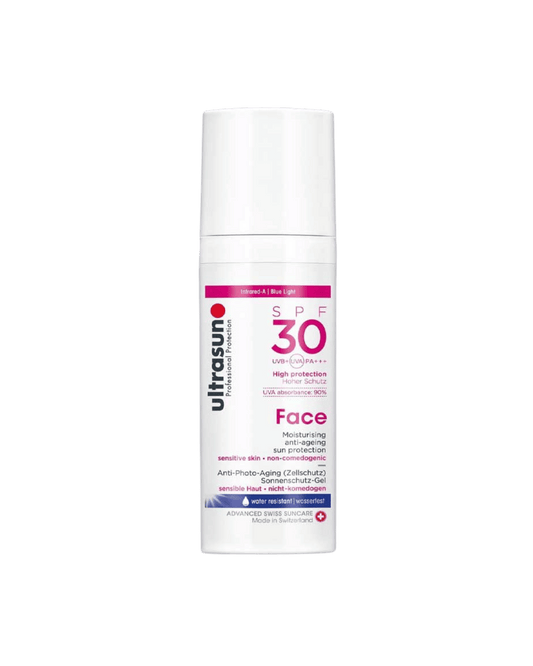
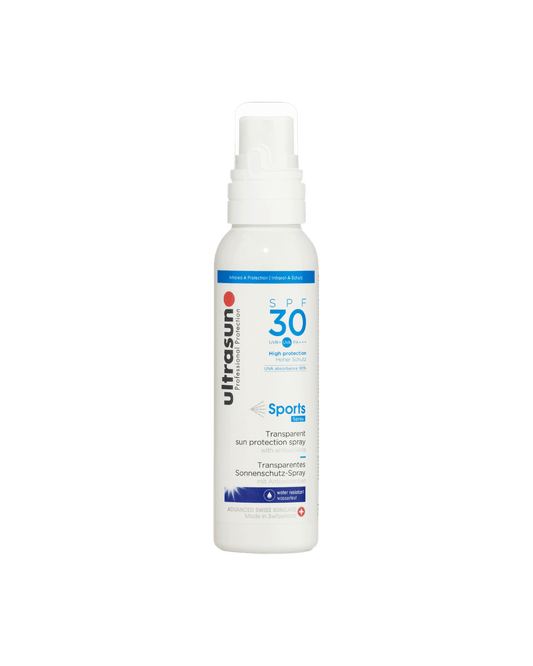
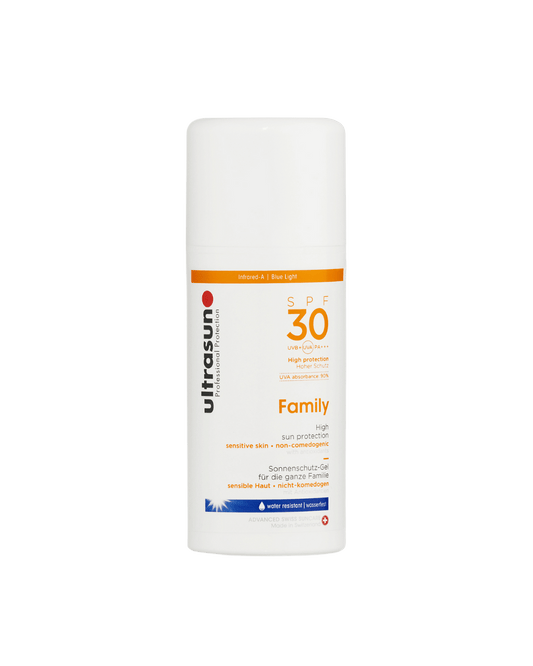
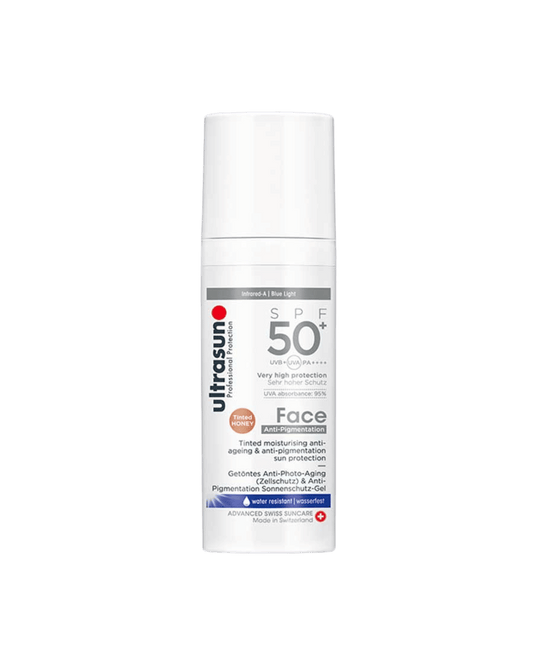
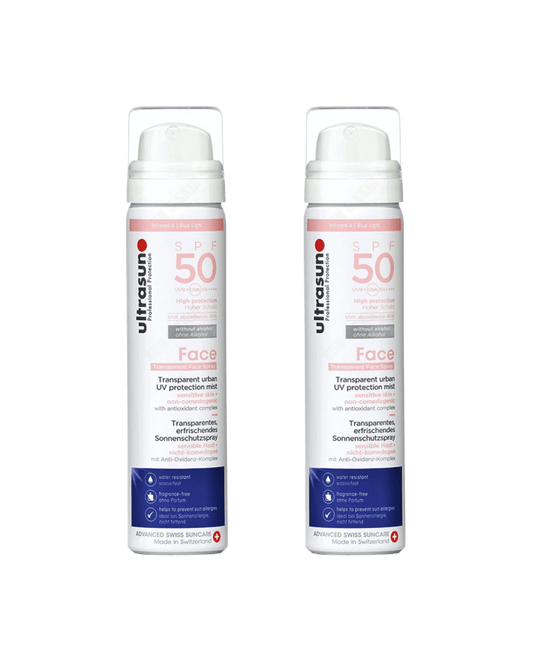
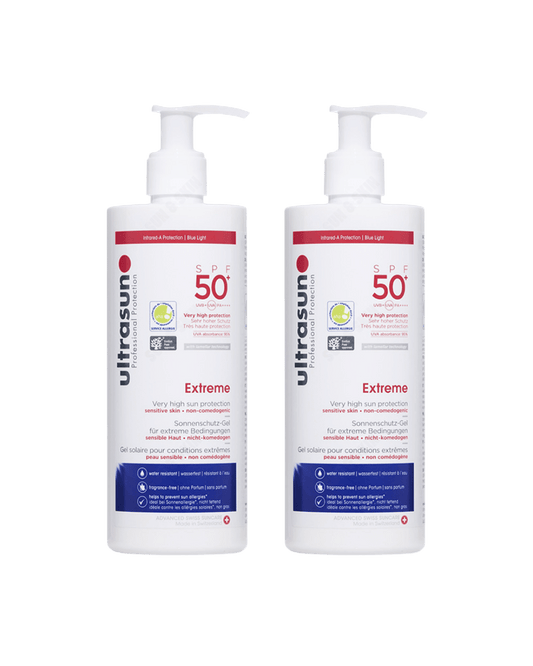
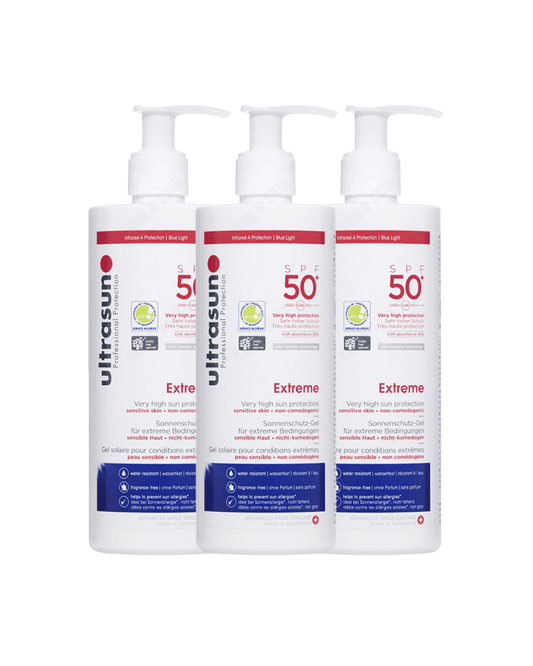
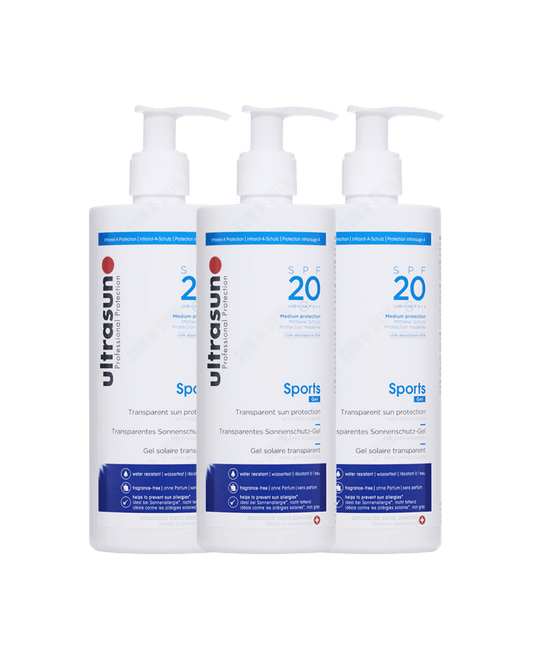
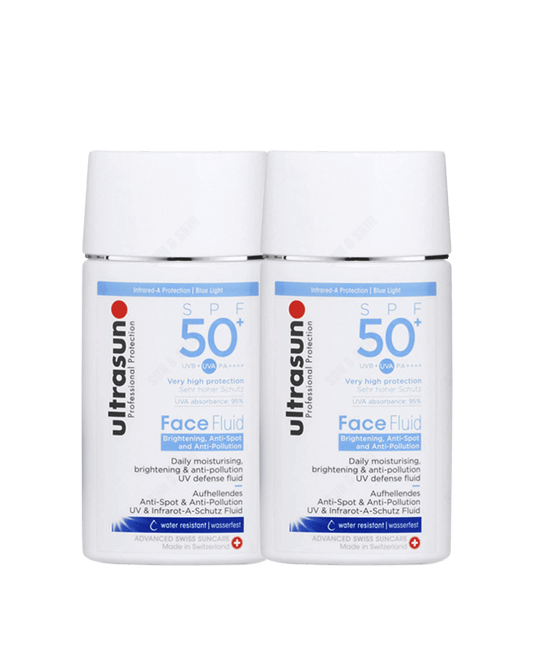
Ultrasun
Altruist
Australian Gold

Mineral vs Chemical: What's the Difference?
| Mineral SPF | Chemical SPF | |
|---|---|---|
| UV filters | Zinc oxide/titanium dioxide | Organic UV filters |
| Feel | Can be thicker | Often lightweight |
| White cast | Can be more noticeable | Usually minimal |
| Best for | Those preferring mineral filters | Lightweight everyday wear |
| Great for | Sensitive-skin preferences | Face, makeup & active lifestyles |
But there's no universal winner. Modern sunscreens can offer excellent UVA and UVB protection in either category. What matters most is choosing at least SPF 30 with strong UVA protection, then applying enough and reapplying regularly. The NHS recommends at least SPF 30 and at least 4-star UVA protection.
Is Mineral Sunscreen Safer?
You may see claims online that mineral sunscreen is inherently safer than chemical sunscreen.
It's more accurate to say that different filters suit different people and preferences. There isn't a simple "mineral = safe, chemical = unsafe" distinction.
The British Association of Dermatologists has previously advised against stopping sunscreen because of concerns raised around certain sunscreen ingredients, noting that there is no evidence from that research showing a health risk and that the benefits of sunscreen use are important.
If you have particularly sensitive or reactive skin, choosing a formula that you tolerate well is important. If you have a diagnosed skin condition or concerns about specific ingredients, speak to your dermatologist or healthcare professional.
So, Which Should You Choose?
Choose mineral if: you specifically prefer zinc oxide/titanium dioxide-based protection or want a mineral option for your routine.
Choose chemical if: you prefer lightweight textures, invisible finishes or formulas that work easily under makeup.
Not sure? You don't have to choose based on the filter type alone. Think about SPF, UVA protection, texture, your skin and how you'll use it.
👉 Read our guide to SPF 30 vs SPF 50
Find Your SPF Match
At Sun & Skin, we've worked with dermatologist Dr Adil Sheraz to curate our collections and create our Skin Quiz, helping you find sun protection suited to your skin and preferences.
Prefer to browse?
Explore our sunscreen collection →
Or shop our Saver Bundles → to stock up and save.
Related Reading
SPF 30 vs SPF 50: Which Sunscreen Should You Use?
Spray vs Lotion vs Mousse vs Stick Sunscreen
Why Is Mineral Sunscreen Different From Other Sunscreens?
UVA vs UVB: What's the Difference?
Trusted Sources
NHS - Sunscreen and sun safety
https://www.nhs.uk/live-well/seasonal-health/sunscreen-and-sun-safety/
Frimley Health NHS Foundation Trust - Sunscreen Fact Sheet
https://www.fhft.nhs.uk/patients-and-visitors/patient-information-library/sunscreen-fact-sheet/submit/7561
British Association of Dermatologists - Sunscreen concerns
https://www.bad.org.uk/bad-response-to-sunscreen-chemical-concerns-following-jama-study/