












Water-Resistant Sunscreen: What It Really Means
Is Water-Resistant Sunscreen Actually Waterproof?
Heading to the beach, pool or on a sweaty hike? Water-resistant sunscreen is a smart choice - but it isn't waterproof.
No sunscreen stays completely unaffected by water. Swimming, sweating, and towel drying can all remove sunscreen from your skin, reducing the protection you're getting.
That's why even water-resistant SPF needs to be reapplied regularly and immediately after swimming or towel drying. (NHS)

What Does "Water-Resistant" Mean?
Water-resistant sunscreen is formulated and tested to retain its sun-protection properties when exposed to water or sweat for a specified period.
It doesn't mean the sunscreen won't come off.
Think of it as better suited to water and activity - not a sunscreen you can apply once and forget about.
If you're swimming, exercising outdoors or likely to sweat heavily, choosing a water-resistant formula can help you maintain protection between applications.
When Should You Reapply Water-Resistant SPF?
The simple rule is:
Reapply after swimming, sweating or towel drying.
You should also reapply regularly throughout the day, following the product's instructions.
The NHS specifically recommends reapplying sunscreen after being in water even if the product is labelled water-resistant, as well as after towel drying, sweating or when sunscreen may have rubbed off. (NHS)
Cancer Research UK similarly recommends regular reapplication, including after swimming, sweating or towelling. (Cancer Research UK)
👉 Read: How Much Sunscreen Do You Need?
What's the Best Sunscreen for Swimming & Sport?
When you're active outdoors, look for SPF 30 or higher, strong UVA protection and water resistance.
At Sun & Skin, you'll find options from brands including:
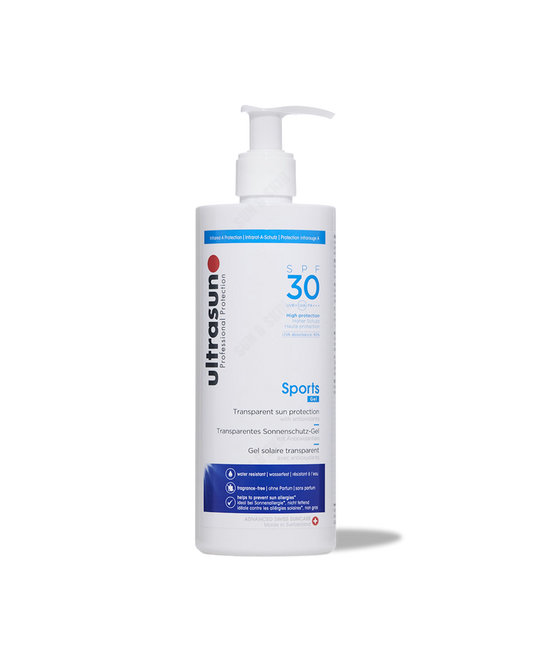
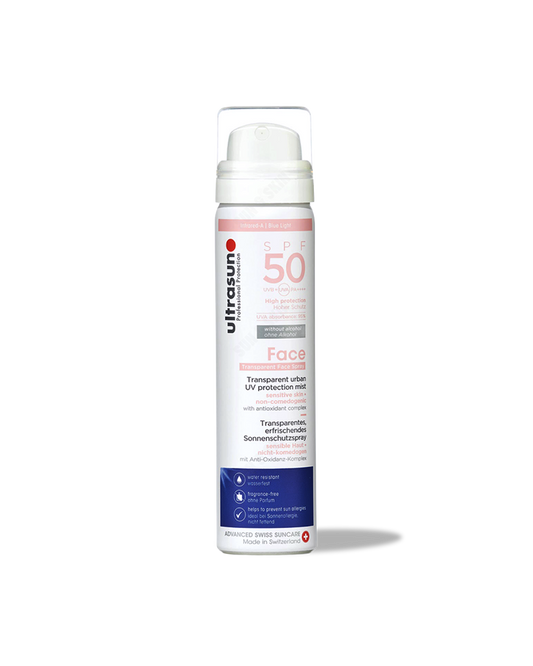
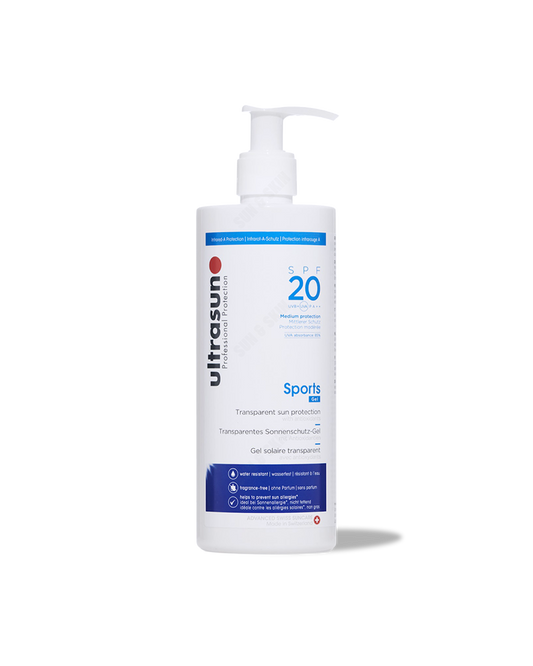
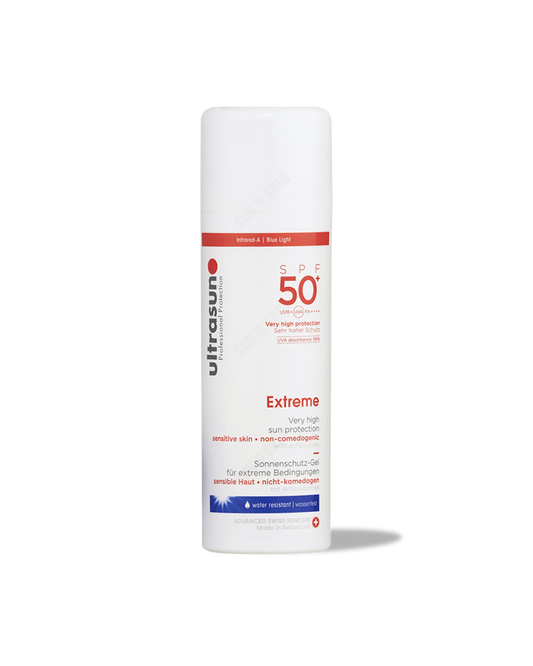
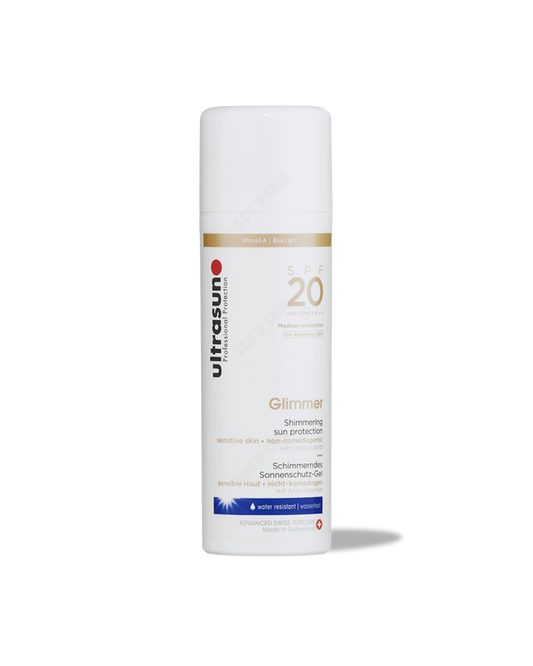
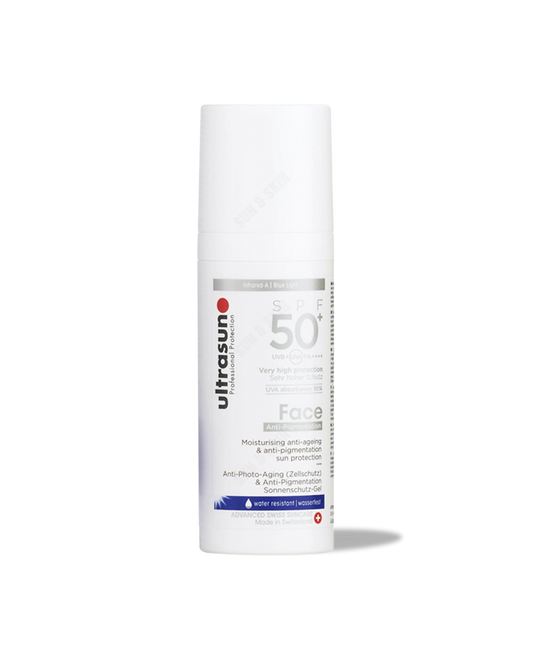
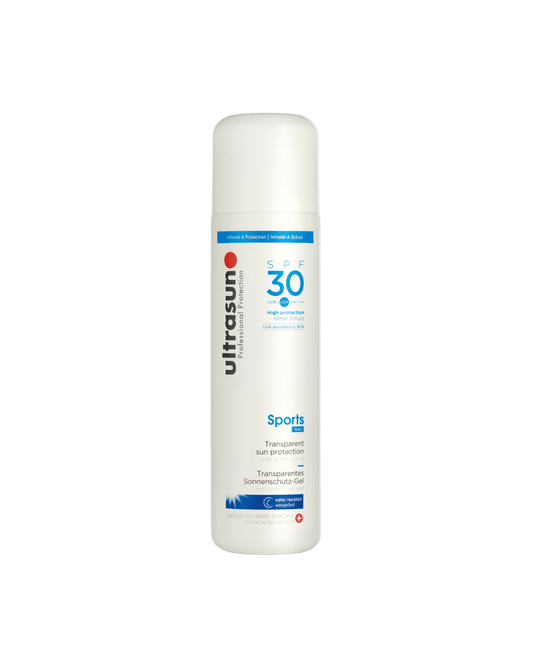
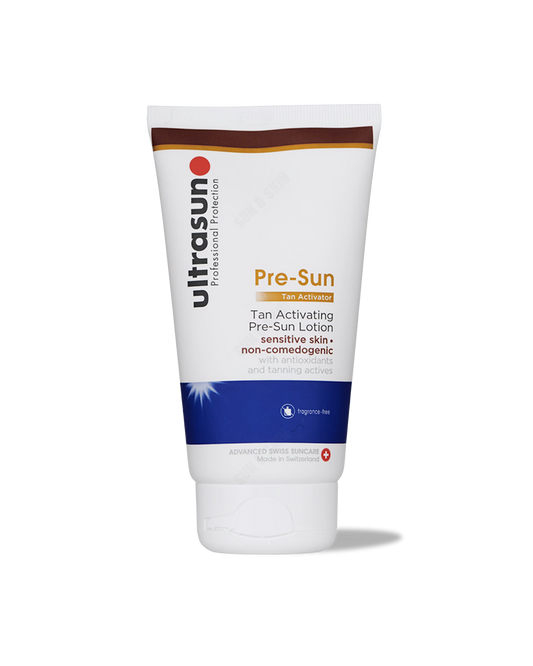
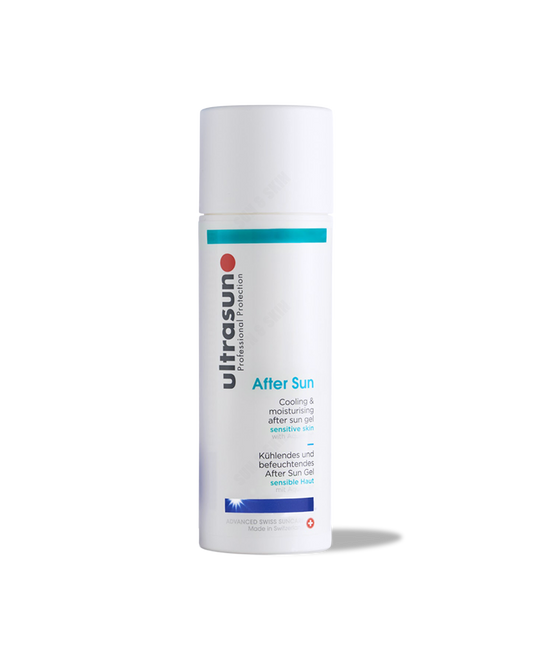
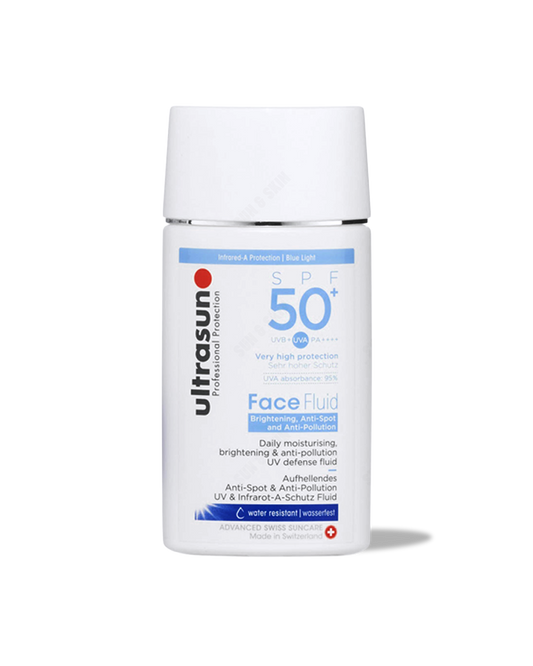
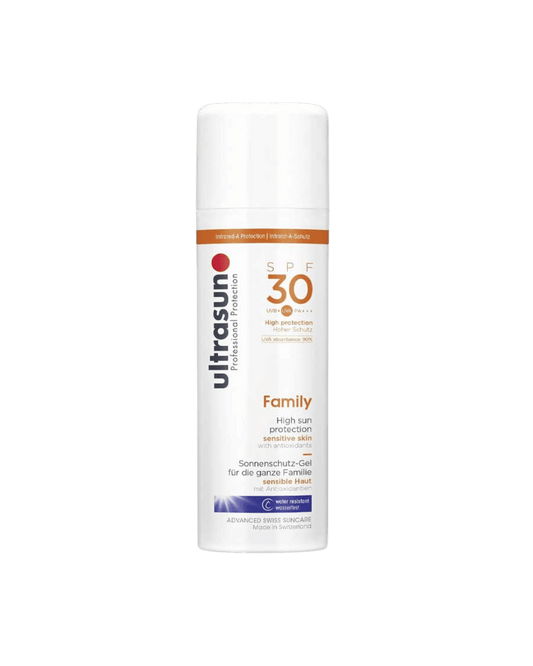
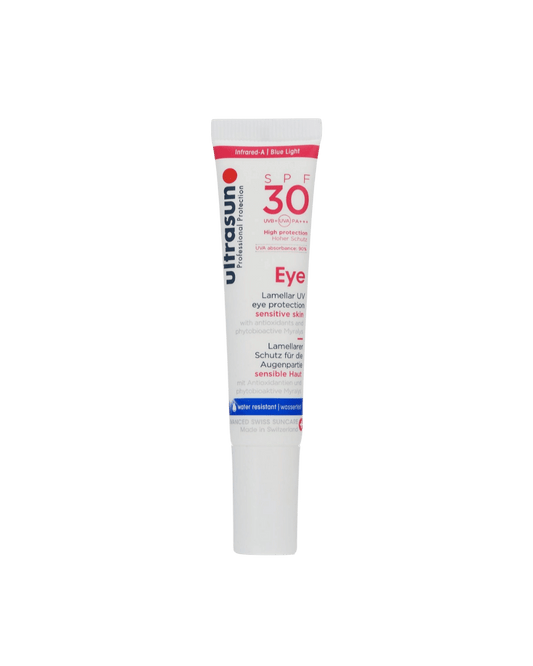
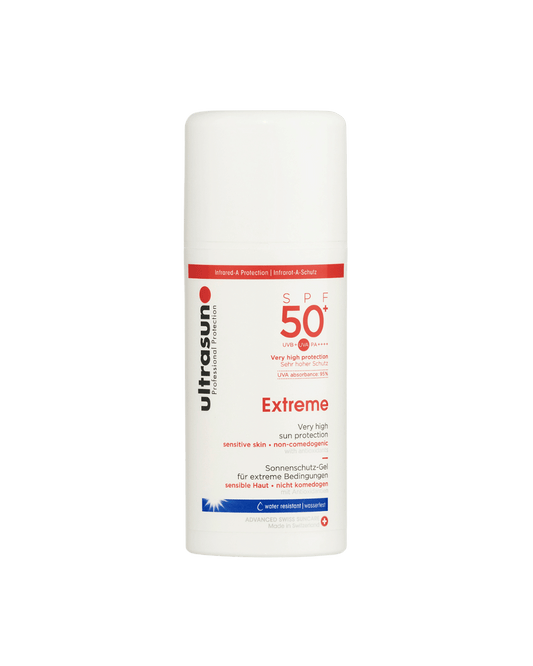
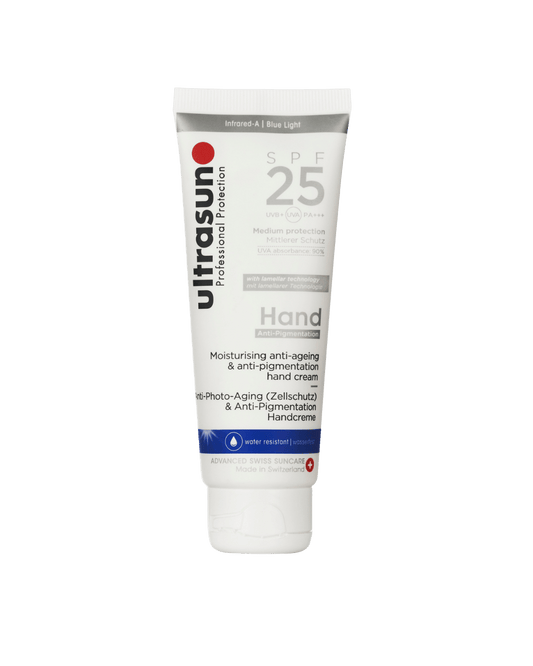
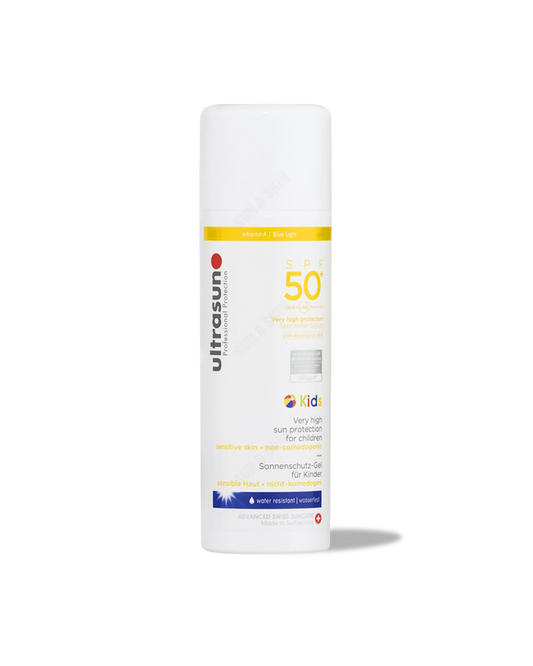
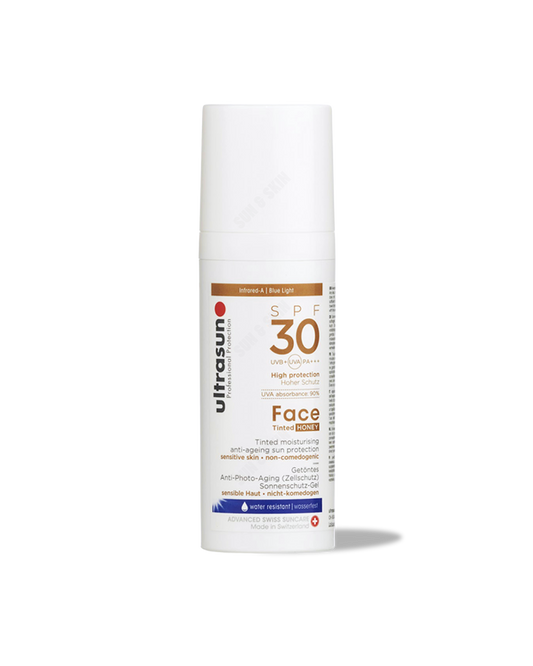
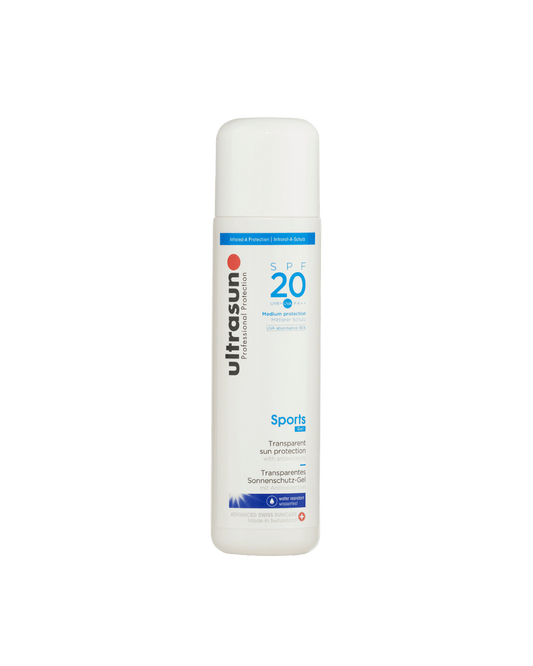
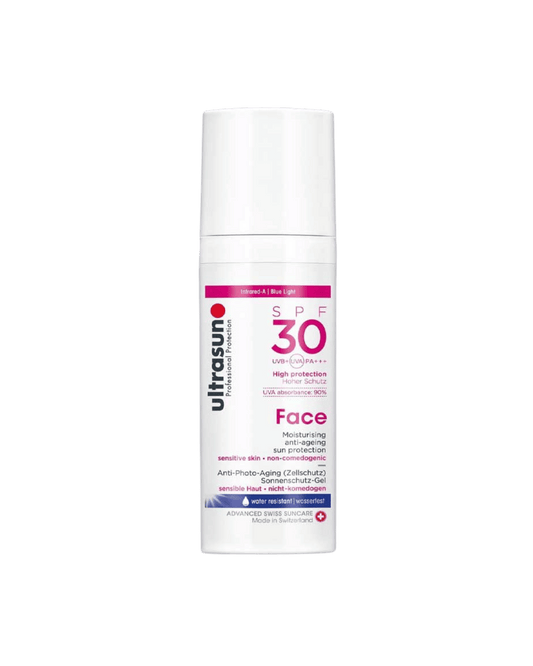
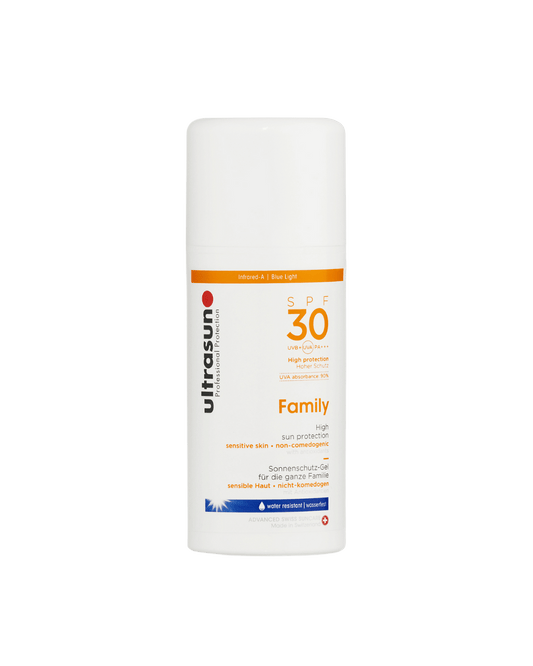
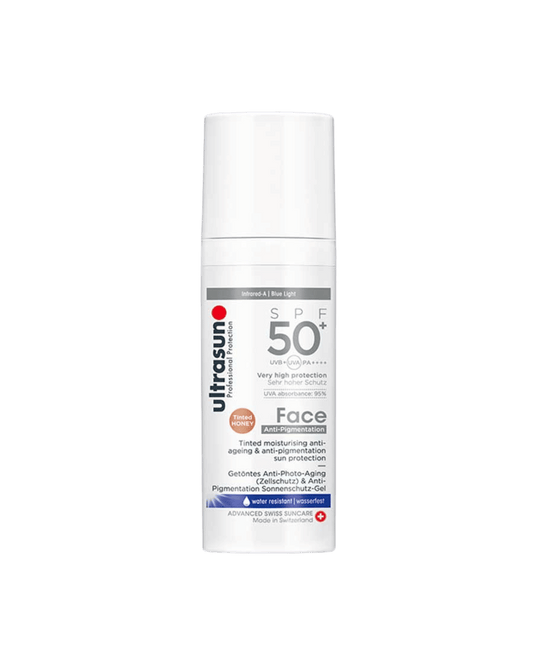
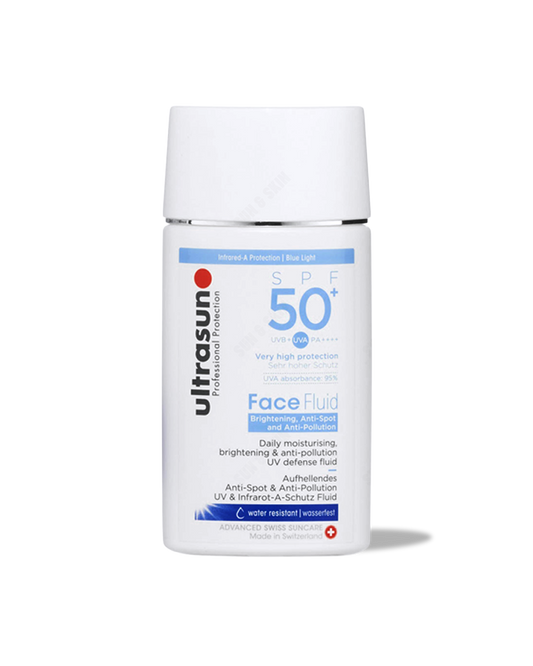
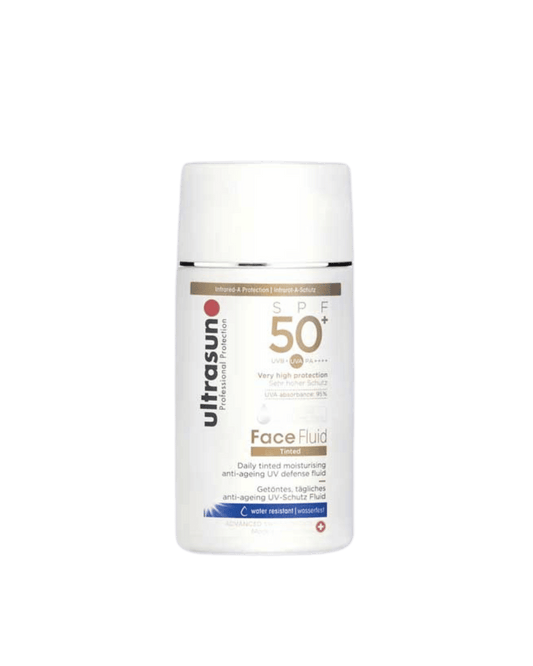
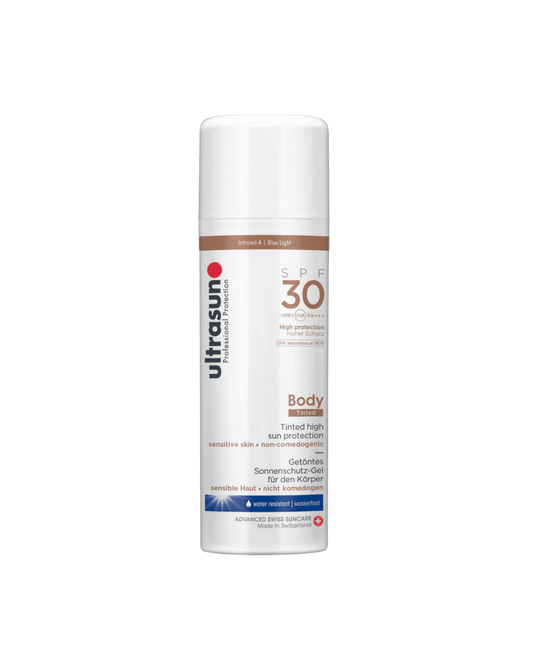
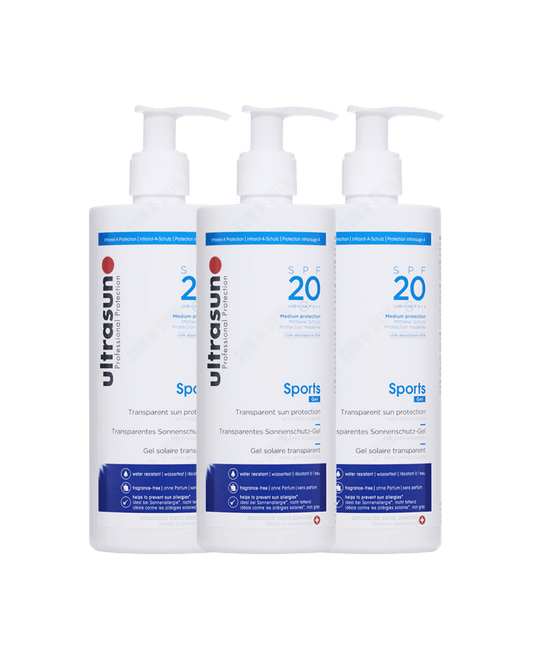
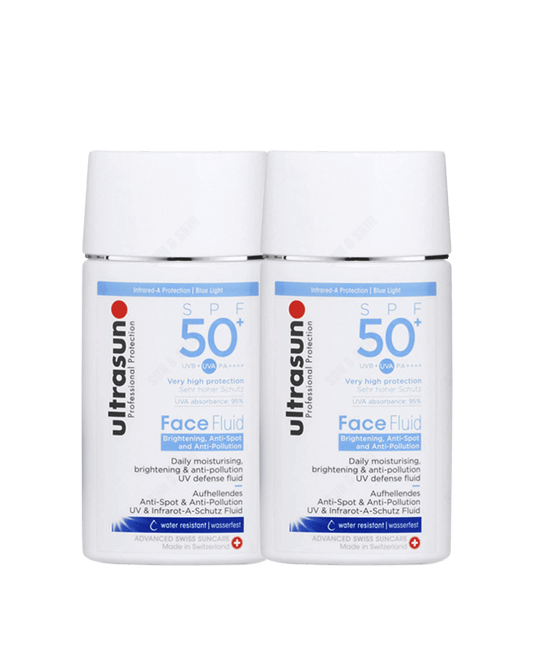
Ultrasun: high-protection formulas designed for active outdoor use.
EVY: lightweight mousse formulas with options suited to active lifestyles.
Altruist: high-protection SPF for everyday and outdoor use.
Australian Gold: a range of SPF formats suited to outdoor days.
Suntribe: mineral SPF options for those who prefer zinc oxide-based protection.
👉 Shop Water-Resistant Sunscreen →
Don't Forget: Water Can Increase UV Exposure
Swimming doesn't mean you're protected from the sun.
Water can reflect UV radiation, while the cooling effect of being in the water can make it harder to notice how much sun you're getting. (NHS)
So whether you're swimming in the sea, relaxing beside the pool or paddleboarding, remember:
🧴 Apply plenty of SPF
🏊 Choose a water-resistant formula
🔄 Reapply after swimming
🧻 Reapply after towel drying
👒 Use shade and protective clothing where possible
How Much SPF Should You Use?
Water resistance doesn't change how much sunscreen you need.
For full-body coverage, the NHS recommends around 6–8 teaspoons for an adult, with sunscreen applied generously and evenly. (NHS)
Applying too little can significantly reduce the protection you receive.
👉 Read our guide: How Much Sunscreen Do You Need?
Find Your Perfect SPF for Outdoor Adventures
Not sure which sunscreen is right for your next beach day, holiday or outdoor adventure?
We've worked with dermatologist Dr Adil Sheraz to curate our collections and create our Skin Quiz, helping you find products based on your skin and lifestyle.
Or shop our sunscreen collection → to find your SPF.
Preparing for a holiday or stocking up for the family? Explore our Saver Bundles →
The Bottom Line
Water-resistant sunscreen is not waterproof sunscreen.
It's designed to maintain protection during exposure to water or sweat, but no sunscreen should be considered completely waterproof.
For the best protection:
Apply generously → reapply regularly → reapply after swimming, sweating or towel drying → seek shade and cover up.
That way, you can enjoy the water while keeping your skin covered.
Related Reading
SPF 30 vs SPF 50: Which Sunscreen Should You Use?
How Much Sunscreen Do You Need?
Spray vs Lotion vs Mousse vs Stick Sunscreen
SPF for Every Outdoor Adventure
Trusted Sources
NHS - Sunscreen and sun safety
https://www.nhs.uk/live-well/seasonal-health/sunscreen-and-sun-safety/
Cancer Research UK - Sun safety
https://www.cancerresearchuk.org/about-cancer/causes-of-cancer/sun-uv-and-sun-cancer/sun-safety/