












What Makes SPF Water-Resistant? The Science Explained + Our Top Picks

Not all sunscreens are created equal - especially when water, sweat, or heat come into play.
If you’ve ever wondered why some SPFs stay put while others seem to disappear the moment you swim or break a sweat, you’re not alone. “Water-resistant” is one of the most misunderstood claims in suncare.
In this guide, we break down what water-resistant SPF actually means, how it works, how long it lasts, and the best formulas that truly go the distance, so you can protect your skin with confidence.
This guide is based on current UK dermatological guidance and public health recommendations.
What Does “Water-Resistant SPF” Actually Mean?
Water-resistant sunscreen is formulated to maintain its SPF protection for a specific period (either 40 or 80 minutes) while exposed to water or sweat.
It’s important to know that “water-resistant” does not mean waterproof. In fact, the term “waterproof” is no longer permitted under UK and EU regulations.
Under guidance from the European Commission, sunscreens can only be labelled as water-resistant if they maintain protection for either 40 or 80 minutes during standardised testing.
After this time, reapplication is essential - no matter how high the SPF.
The Science Behind Water-Resistant Sunscreen
Water-resistant sunscreens work by forming a protective layer that adheres to your skin, even when exposed to moisture.
This is achieved through a combination of formulation techniques:
- Film-forming polymers create a flexible, invisible layer that helps sunscreen stay in place on the skin.
- Oil-based or silicone ingredients repel water, helping the formula last longer and prevent it from washing away too easily.
- Advanced delivery systems in some formulations help bind UV filters more effectively to the skin.
- Cosmetic science research, including work supported by the Society of Cosmetic Scientists, shows that these film-forming ingredients improve how well sunscreen adheres to the skin - often referred to as “substantivity”.
Why Some Sunscreens Perform Better Than Others
Not all water-resistant sunscreens perform the same. Their effectiveness depends on formulation, application, and real-life conditions.
Factors that impact performance include:
- Your skin type
- How much you sweat or swim
- How much product you apply
- The technology used in the formula
Some standout technologies from our leading brands include:
- Australian Gold: Designed for outdoor durability and long wear.
- EVY: Mousse technology that absorbs into the top layer of skin rather than sitting on the surface.
- Suntribe: Natural, wax-based formulations that physically adhere to the skin.
- Altruist: Dermatologist-developed formulas with strong UV filter systems.
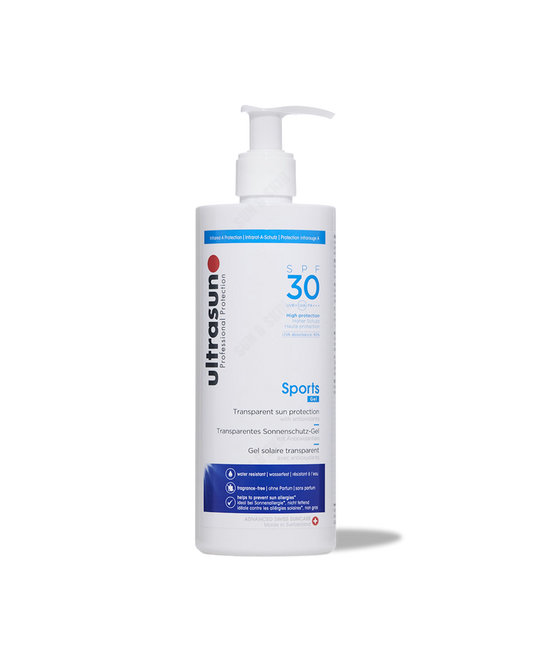
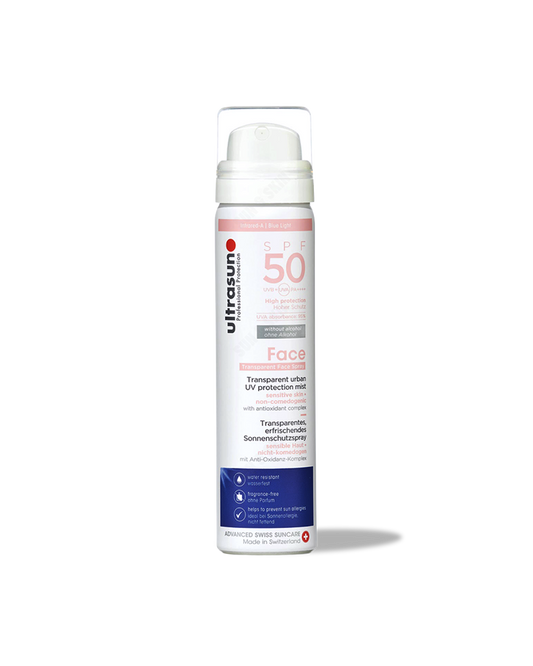
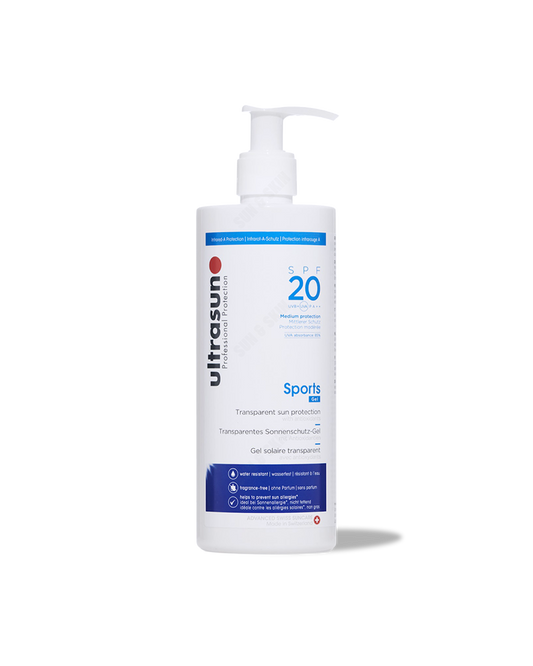
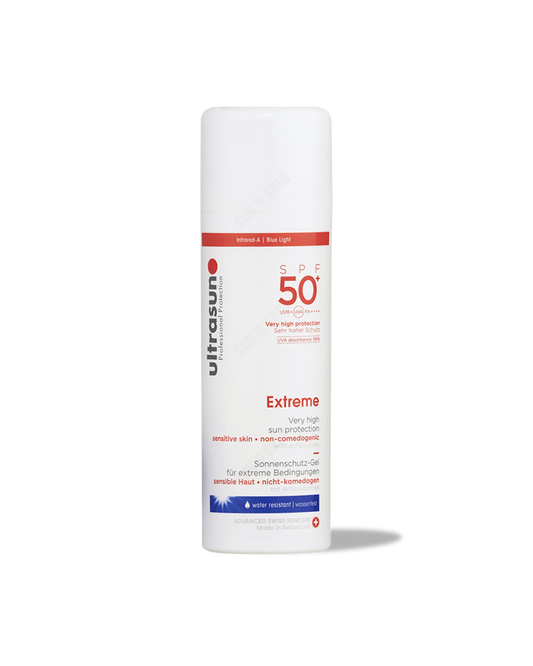
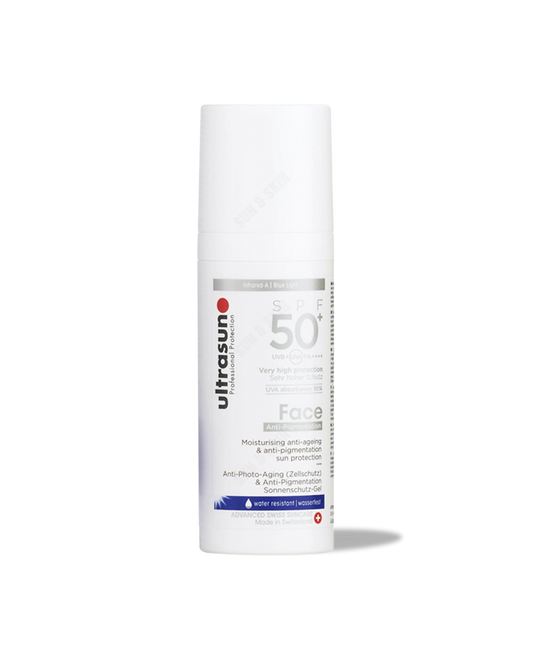
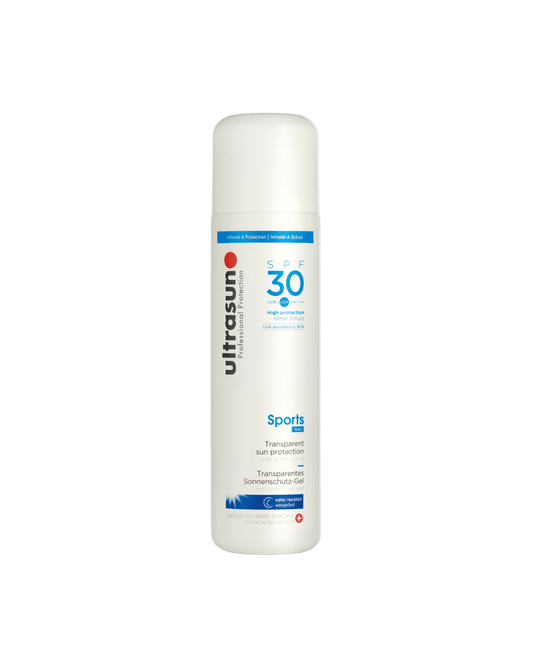
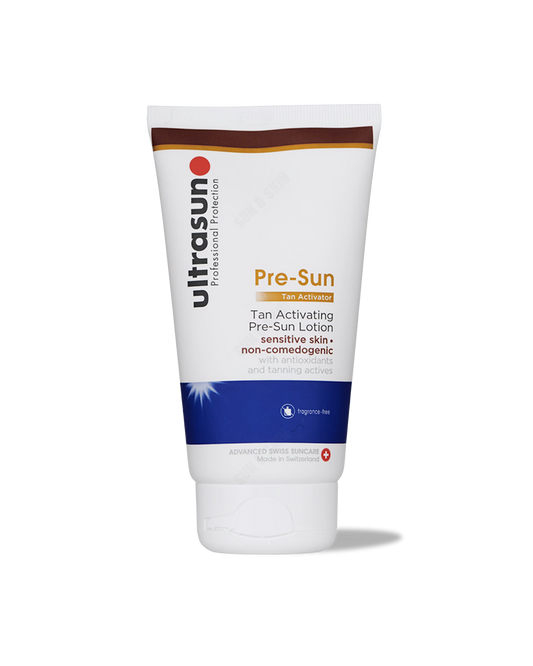
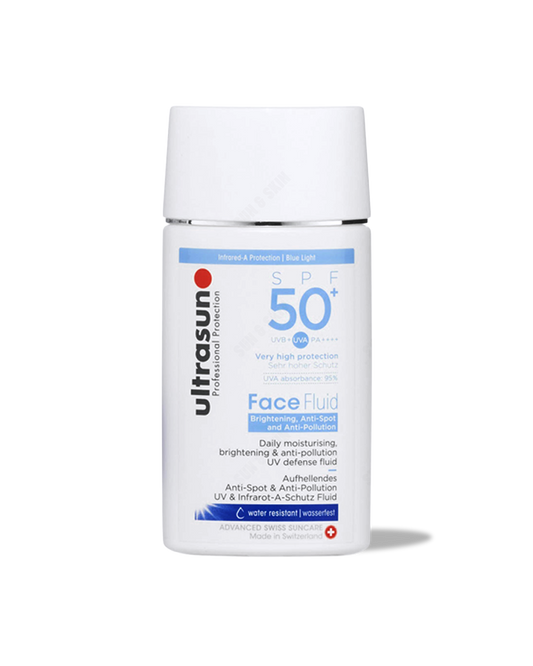
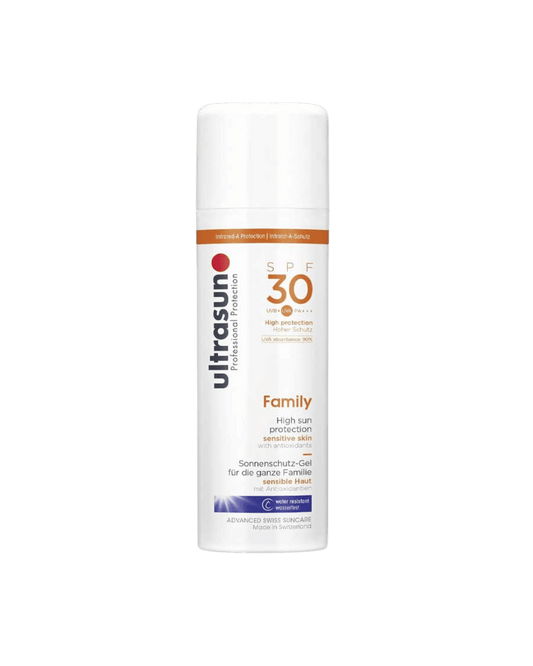
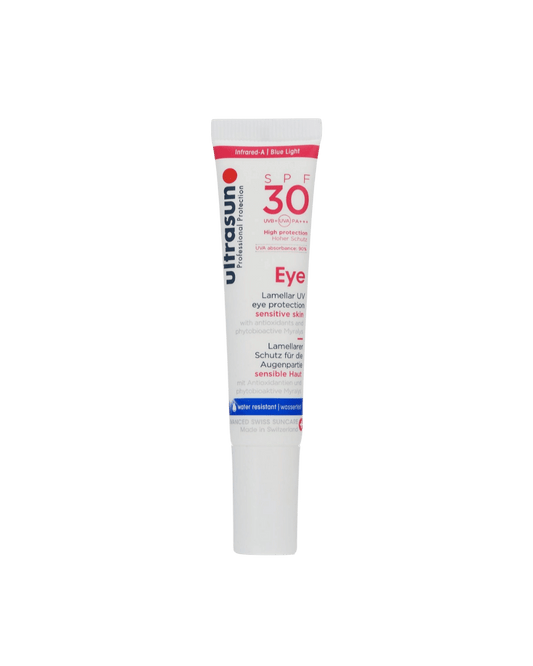
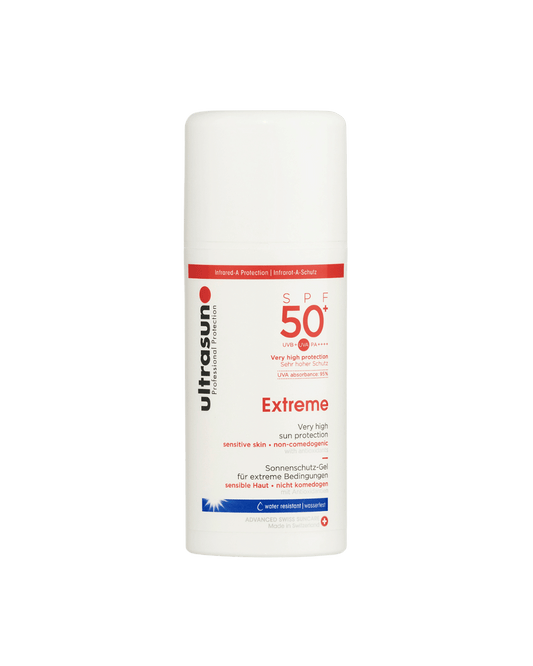
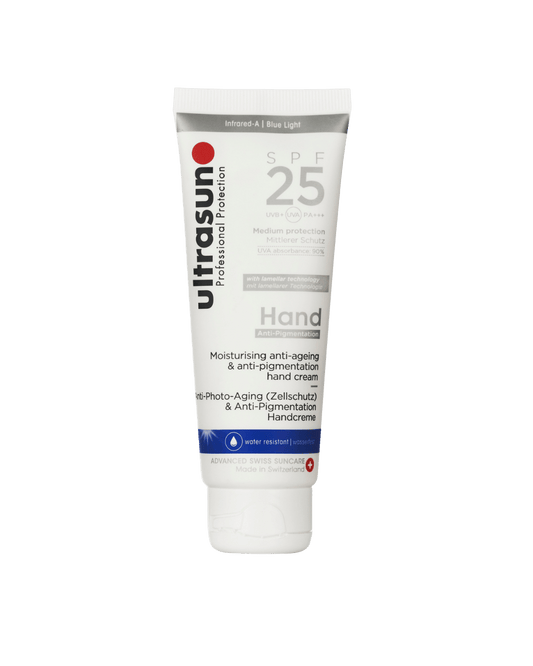
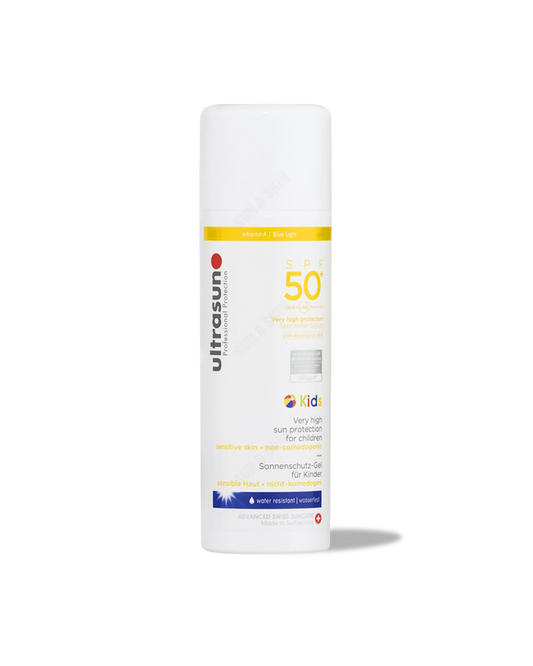
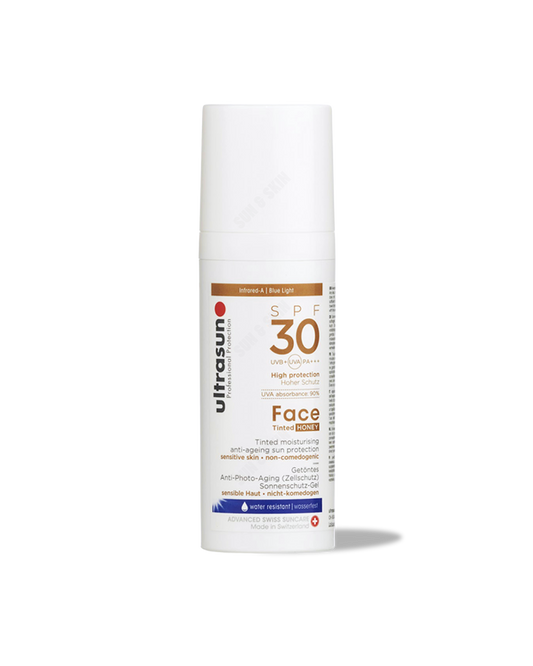
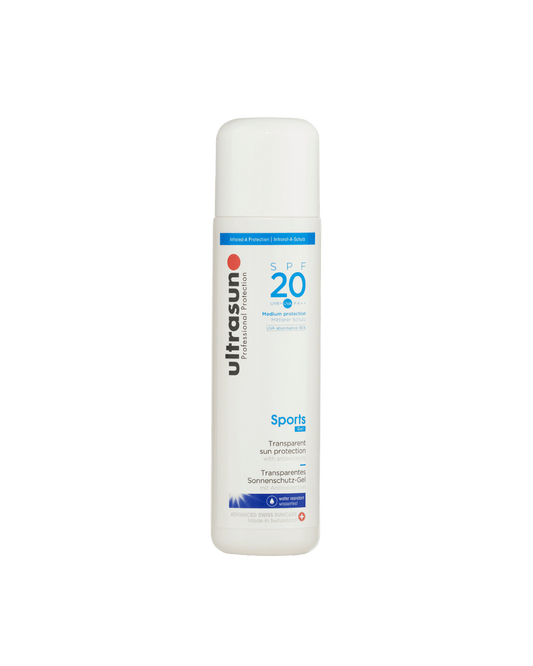
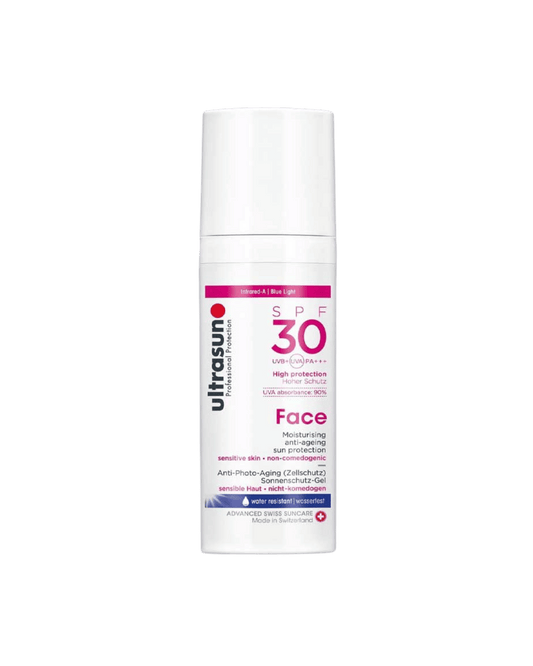
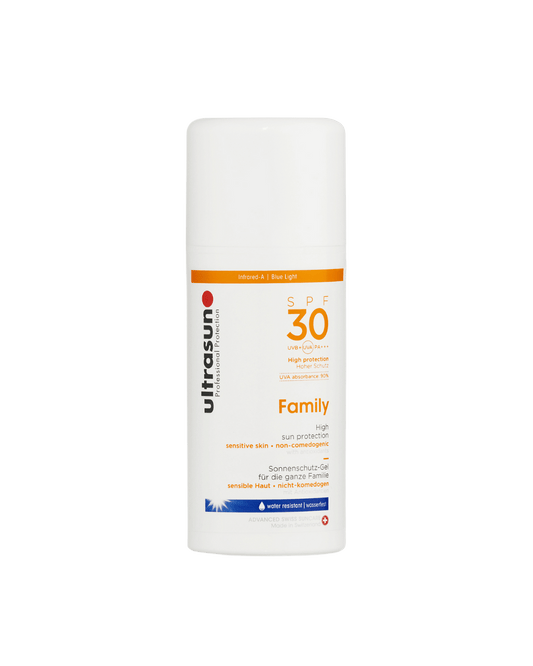
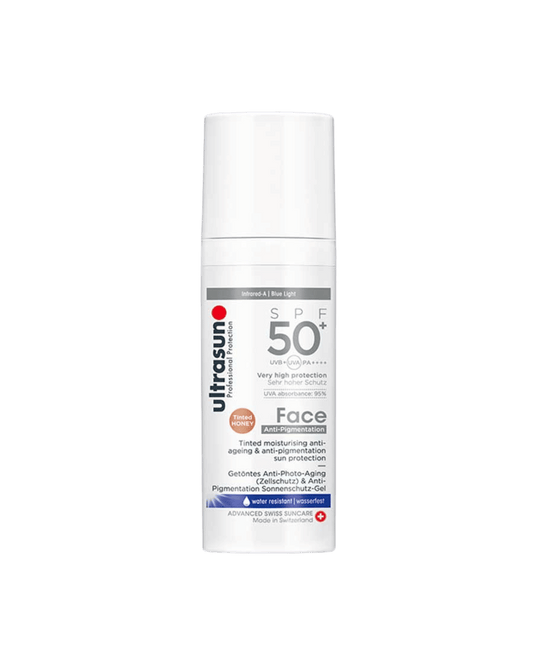
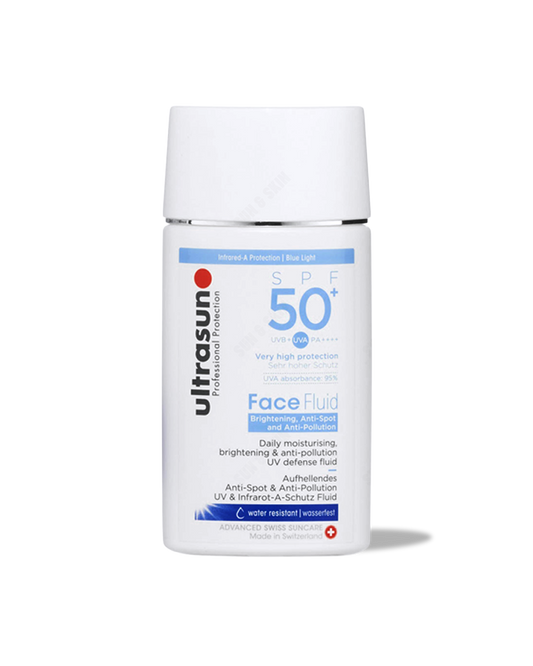
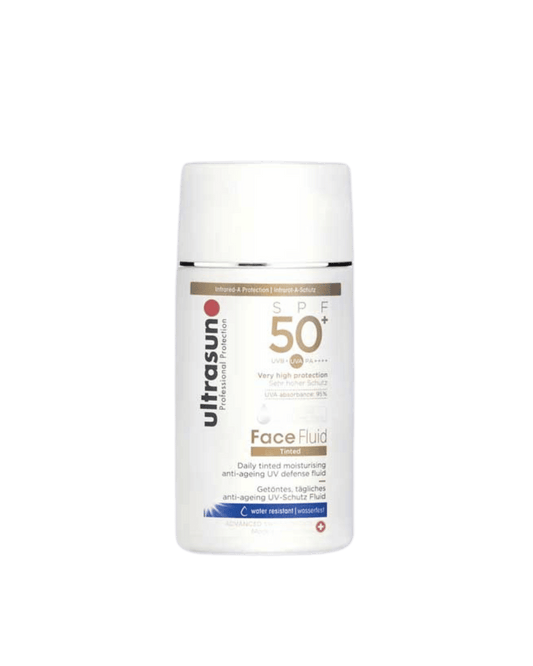
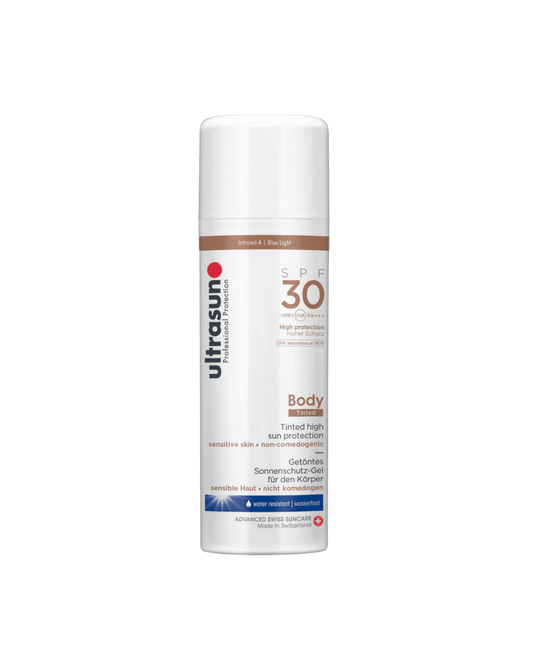
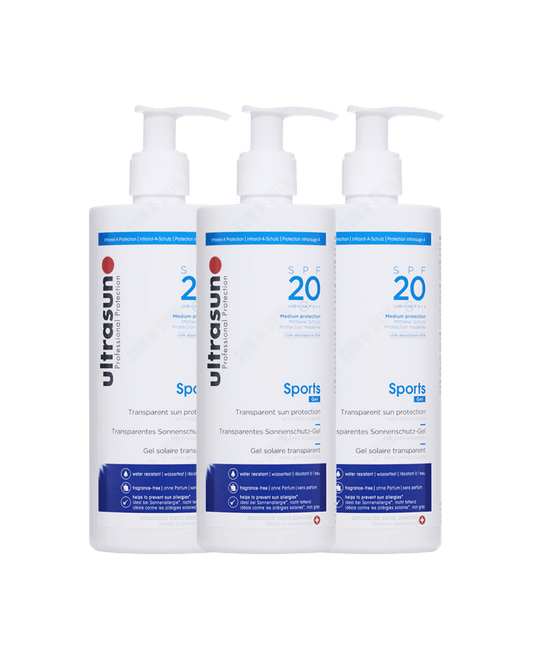
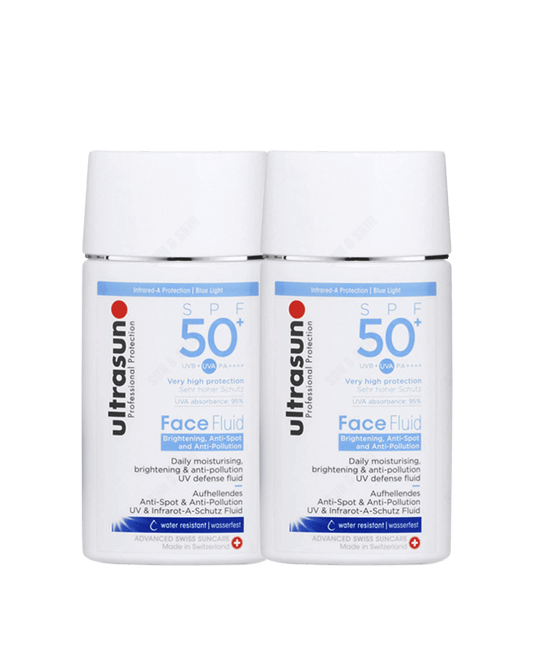
- Ultrasun: Lamellar technology for even, long-lasting protection.
How Long Does Water-Resistant SPF Really Last?
Water-resistant sunscreen lasts either 40 or 80 minutes in water, depending on its classification. However, this does not mean you can skip reapplication.
The NHS recommends reapplying sunscreen regularly, especially:
- After swimming
- After sweating
- After towel drying
- Every 2 hours during sun exposure
It’s also important to understand that SPF level does not affect how long sunscreen lasts. According to Cancer Research UK, SPF measures protection against UVB rays, not durability or wear time.
Who Should Use Water-Resistant Sunscreen?
Water-resistant SPF is ideal for:
- Swimming and beach days
- Outdoor workouts
- Hot or humid climates
- Oily skin types
- Anyone who sweats easily
For everyday indoor use, a standard SPF may be sufficient, but consistency is key.
Our Top Water-Resistant SPF Picks
- Australian Gold: Great for outdoor lifestyles and beach days. Lightweight, durable, and designed for sun-heavy environments.
- EVY: Advanced mousse technology with exceptional water and sweat resistance. Ideal for long-lasting protection.
- Suntribe: Natural, mineral-based formulas with strong staying power and minimal ingredients.
- Altruist: Affordable, dermatologist-developed sunscreen with high UVA protection.
- Ultrasun: Long-wear formulas designed for sensitive skin, with advanced delivery systems.
Frequently Asked Questions
Does water-resistant sunscreen mean I don’t need to reapply?
No. You should still reapply every 2 hours and after water exposure.
Is water-resistant sunscreen better than regular SPF?
Not necessarily. It’s better suited for active or outdoor conditions, but not always required for daily indoor use.
Can mineral sunscreen be water-resistant?
Yes. Mineral sunscreens can be water-resistant when formulated with waxes or film-forming ingredients.
What’s the difference between waterproof and water-resistant sunscreen?
“Waterproof” is no longer an approved claim. “Water-resistant” means the product has been tested to remain effective for a set time in water.
Do I need water-resistant SPF every day?
Only if you’re sweating, swimming, or spending extended time outdoors.
Water-resistant sunscreen isn’t about lasting forever; it’s about staying effective when it matters most. Understanding how it works helps you make better choices, apply correctly, and protect your skin with confidence.
At Sun & Skin, we make suncare simple - so you always know your SPF is working as hard as you are.
Sources & References:
- NHS (2023). Sunscreen and sun safety. Available at: https://www.nhs.uk/live-well/seasonal-health/sunscreen-and-sun-safety/ (Accessed: 21 April 2026).
- Cancer Research UK (2024). Sunscreen and sun protection. Available at: https://www.cancerresearchuk.org/about-cancer/causes-of-cancer/sun-uv-and-cancer/sunscreen-and-sun-protection (Accessed: 21 April 2026).
- British Association of Dermatologists (2023). Sun protection advice. Available at: https://www.bad.org.uk/patient-information-leaflets/sun-protection/ (Accessed: 21 April 2026).
- European Commission (2006). Commission Recommendation of 22 September 2006 on the efficacy of sunscreen products and the claims made relating thereto. Available at: https://eur-lex.europa.eu/legal-content/EN/TXT/?uri=CELEX:32006H0647 (Accessed: 21 April 2026).
- Society of Cosmetic Scientists (n.d.). Sunscreen formulation and cosmetic science resources. Available at: https://www.scs.org.uk (Accessed: 21 April 2026).


